

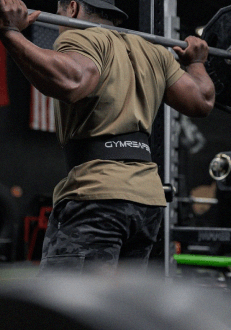
Use a gym belt any time you feel like you need more support and stability on a lift, whether that’s a PR attempt or your everyday gym routine.
Lever Belts
Quick-adjusting lever to maximize support and stability for heavy lifts.
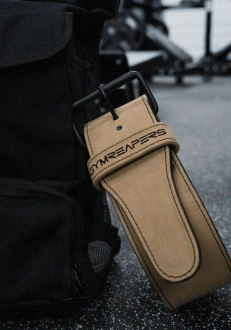
Single Prong Belts
Simple, secure, and versatile. Perfect for all-around strength training and functional fitness.
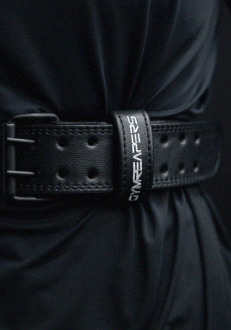
Double Prong Belts
Extra-secure and durable for heavy lifts.
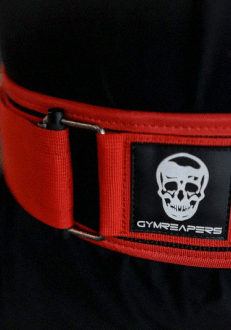
Quick Locking Belts
Fast, adjustable, and competition-ready for Olympic/CrossTraining lifts.
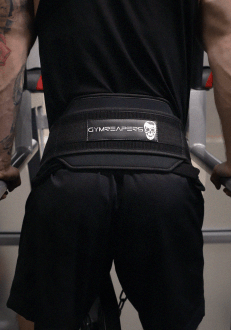
Dip Belts
Add weight for dips, pull-ups, and upper-body strength.
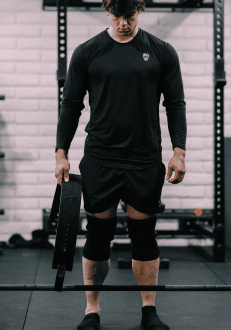
Gym Kits & Bundles
Strength Kits: lever belt, knee sleeves, lifting straps, wrist wraps.
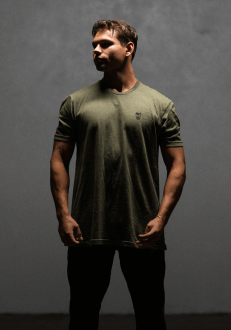
Mens Apparel
Premium fitness apparel for men to elevate training.
Weightlifting Belts
Quality weightlifting belts: leather lifting belts and 10MM lever belts.
Filters
70 Items
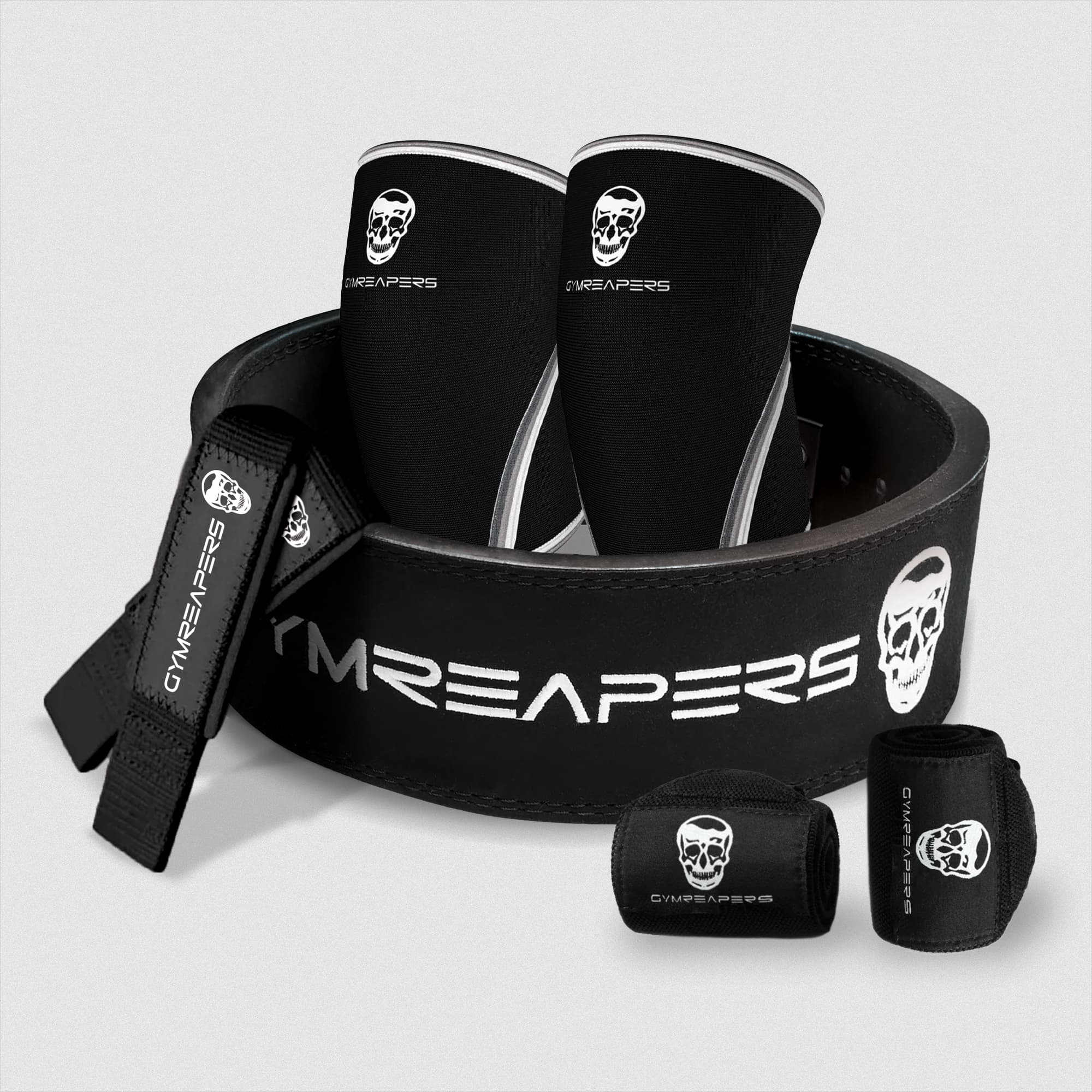
Gymreapers Strength Kit - 10MM Black
IPF APPROVED
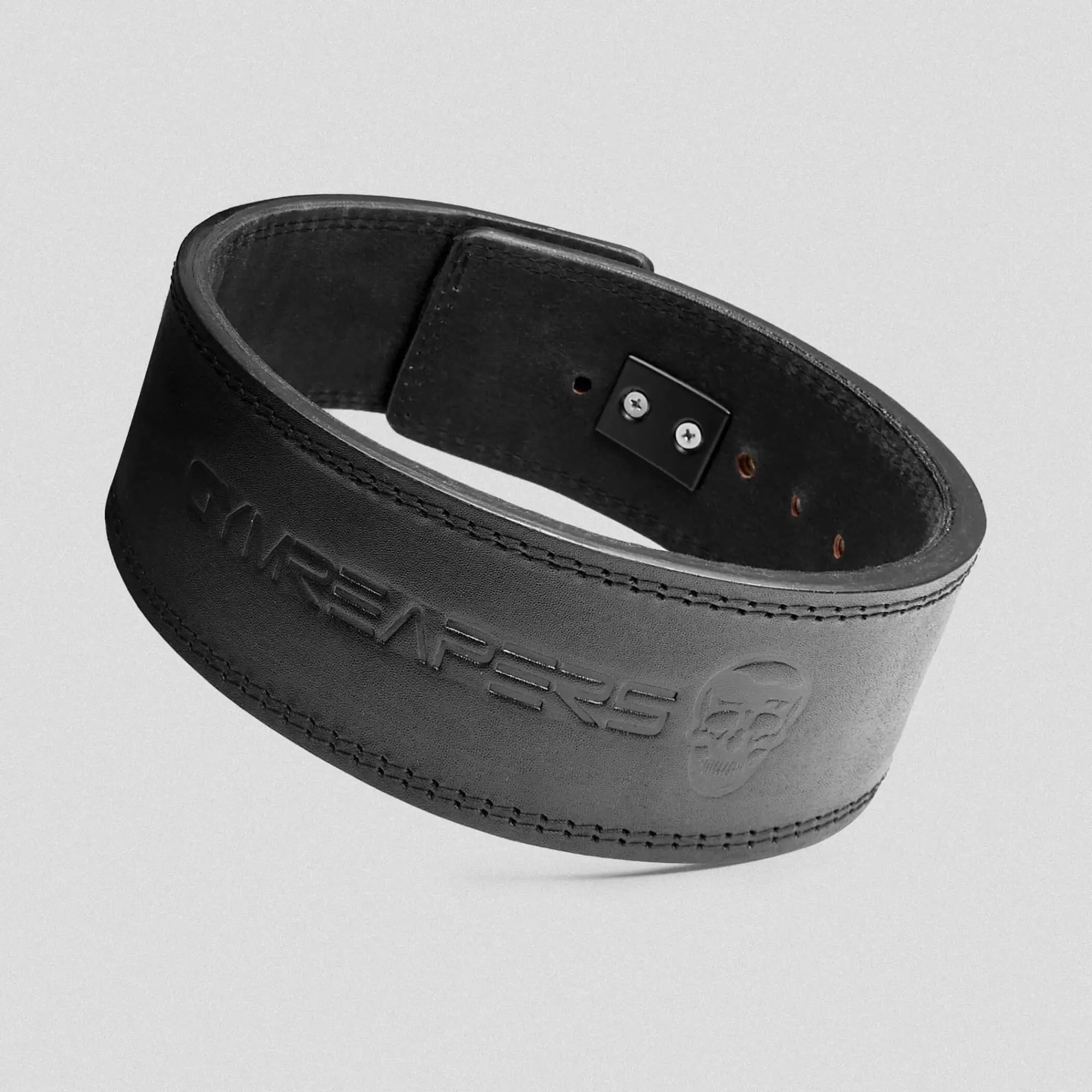
13mm Lever Belt
IPF APPROVED
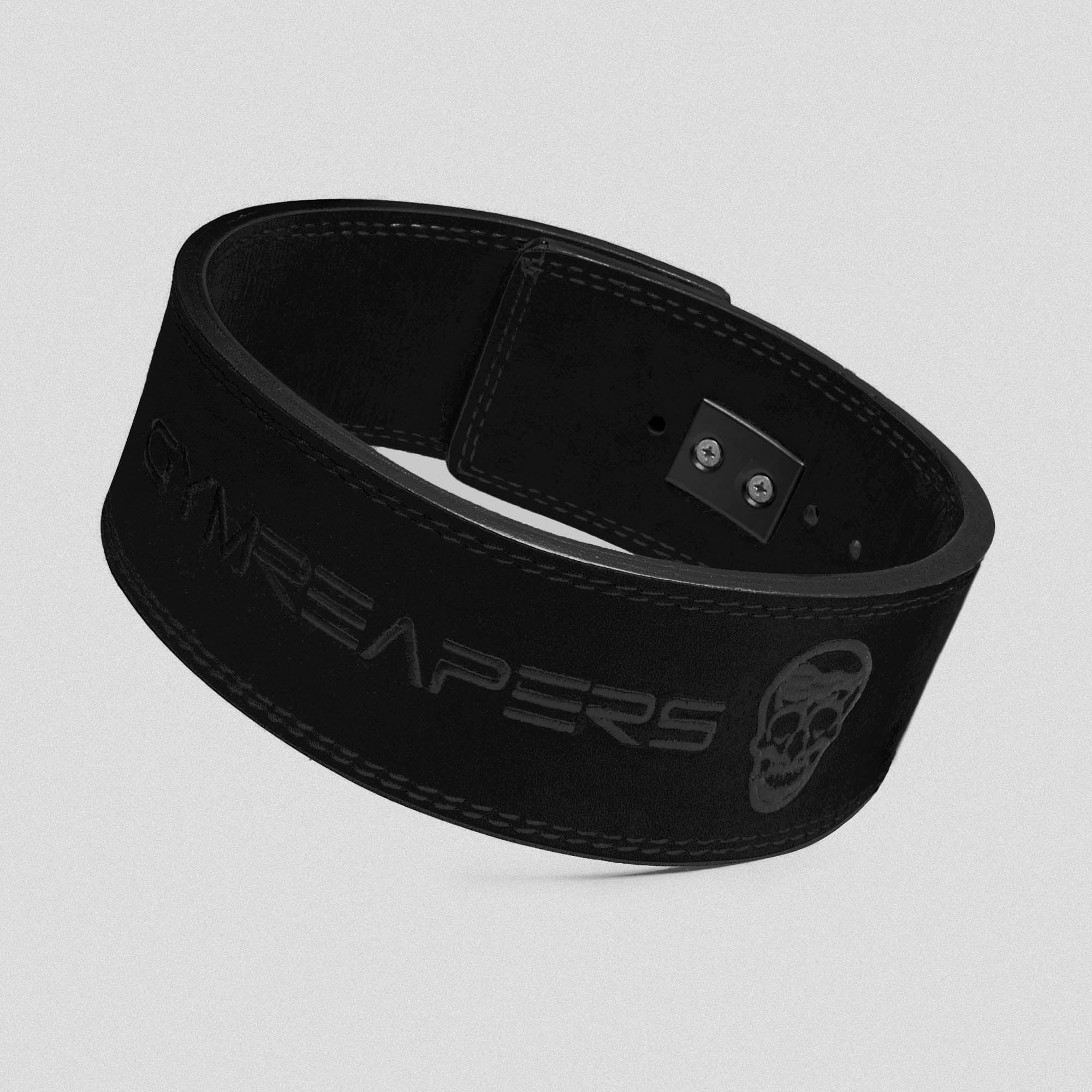
10MM Lever Belt - Black/Black
IPF APPROVED
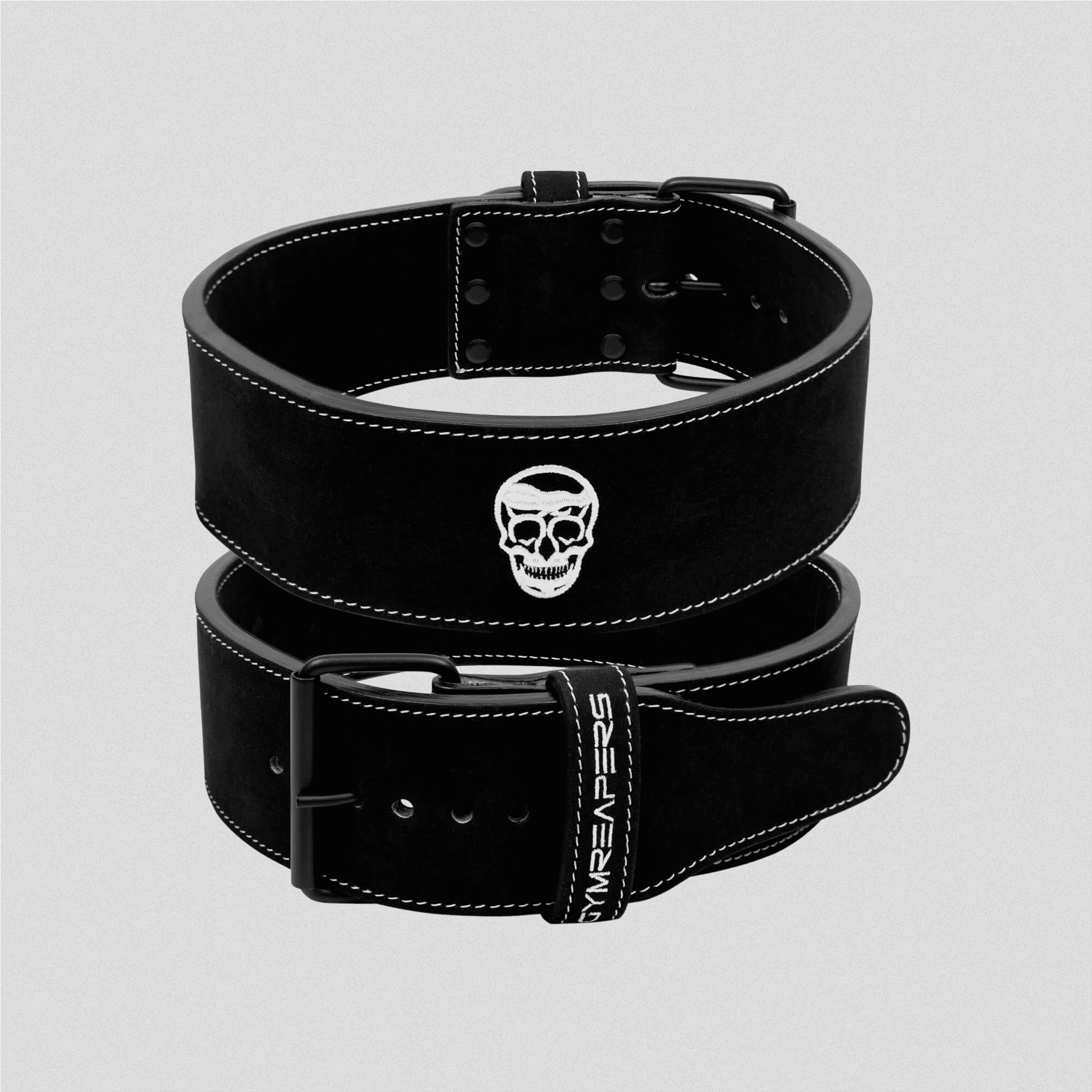
10MM Single Prong Belt - Black/White
LIFETIME WARRANTY
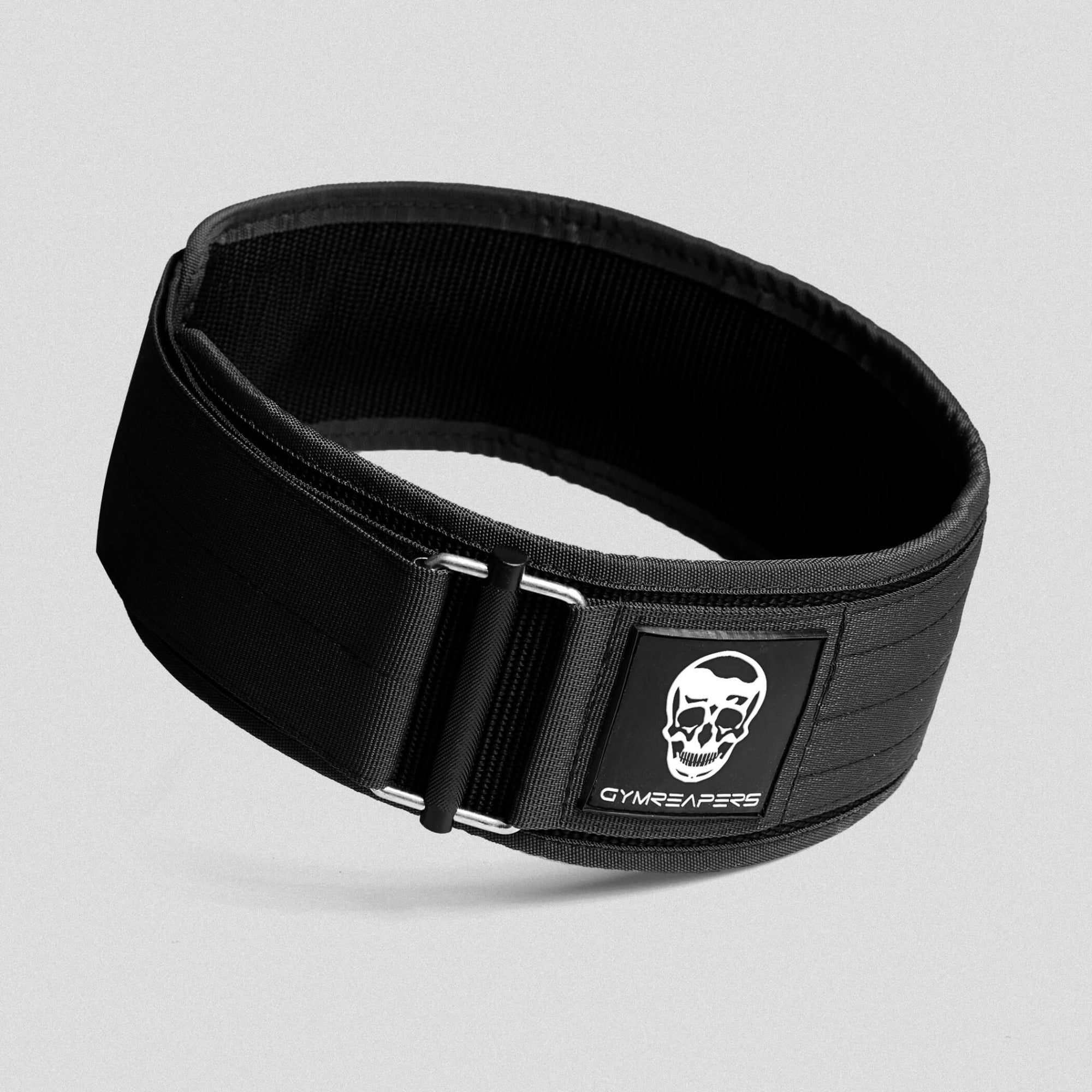
Gymreapers Quick Locking Weightlifting Bel...
NEW RELEASE
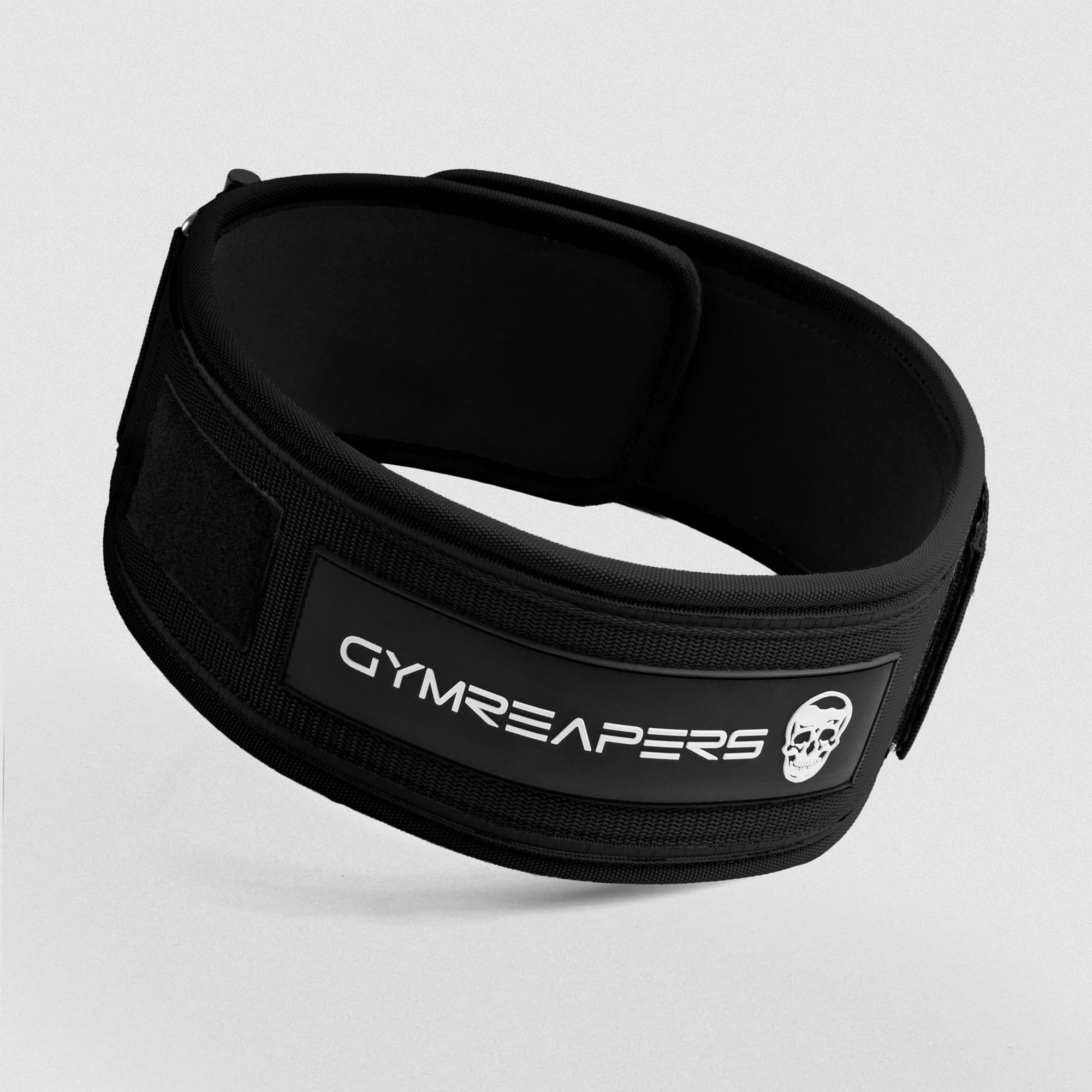
Helix Quick Lock Belt
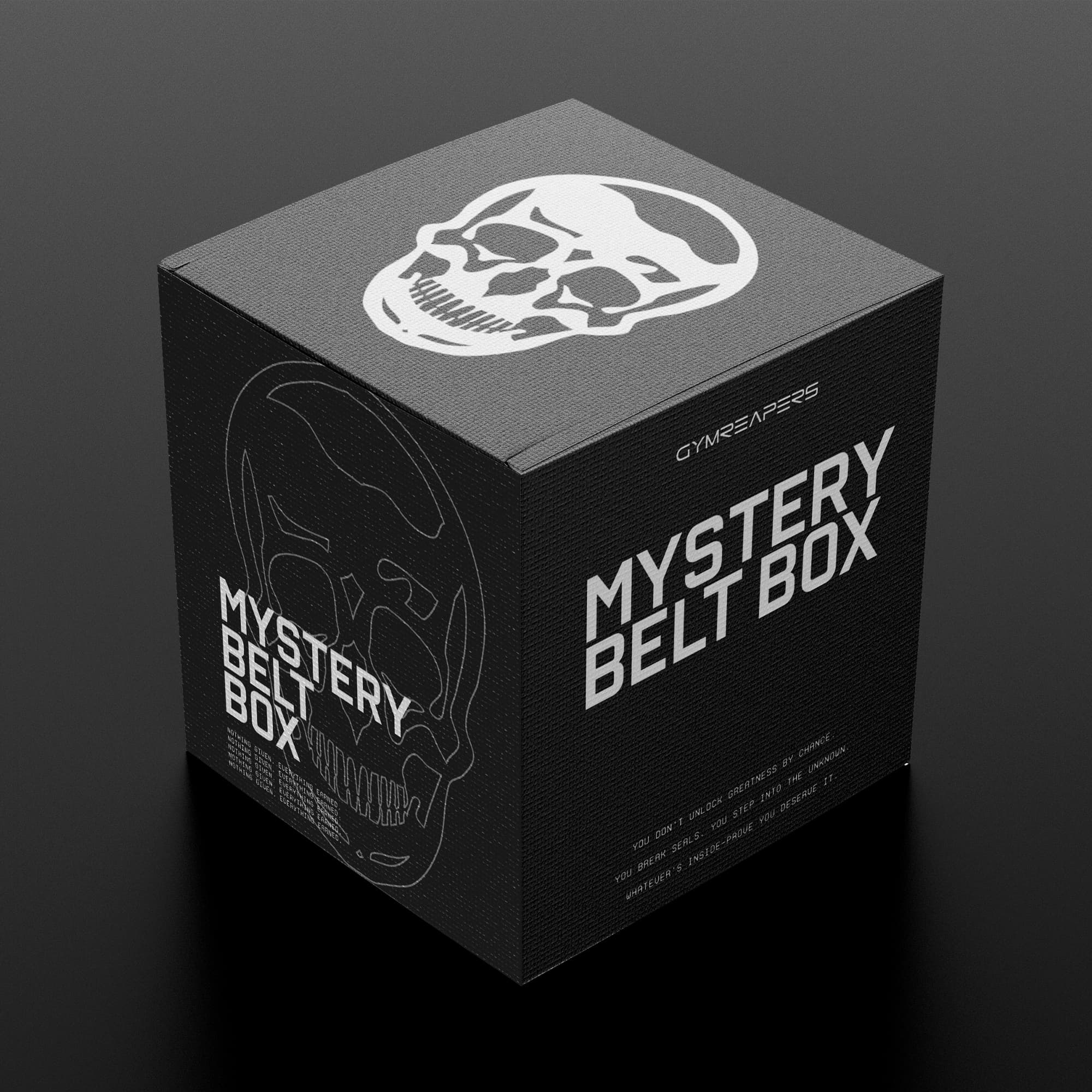
10MM Lever Belt Mystery Box
IPF APPROVED
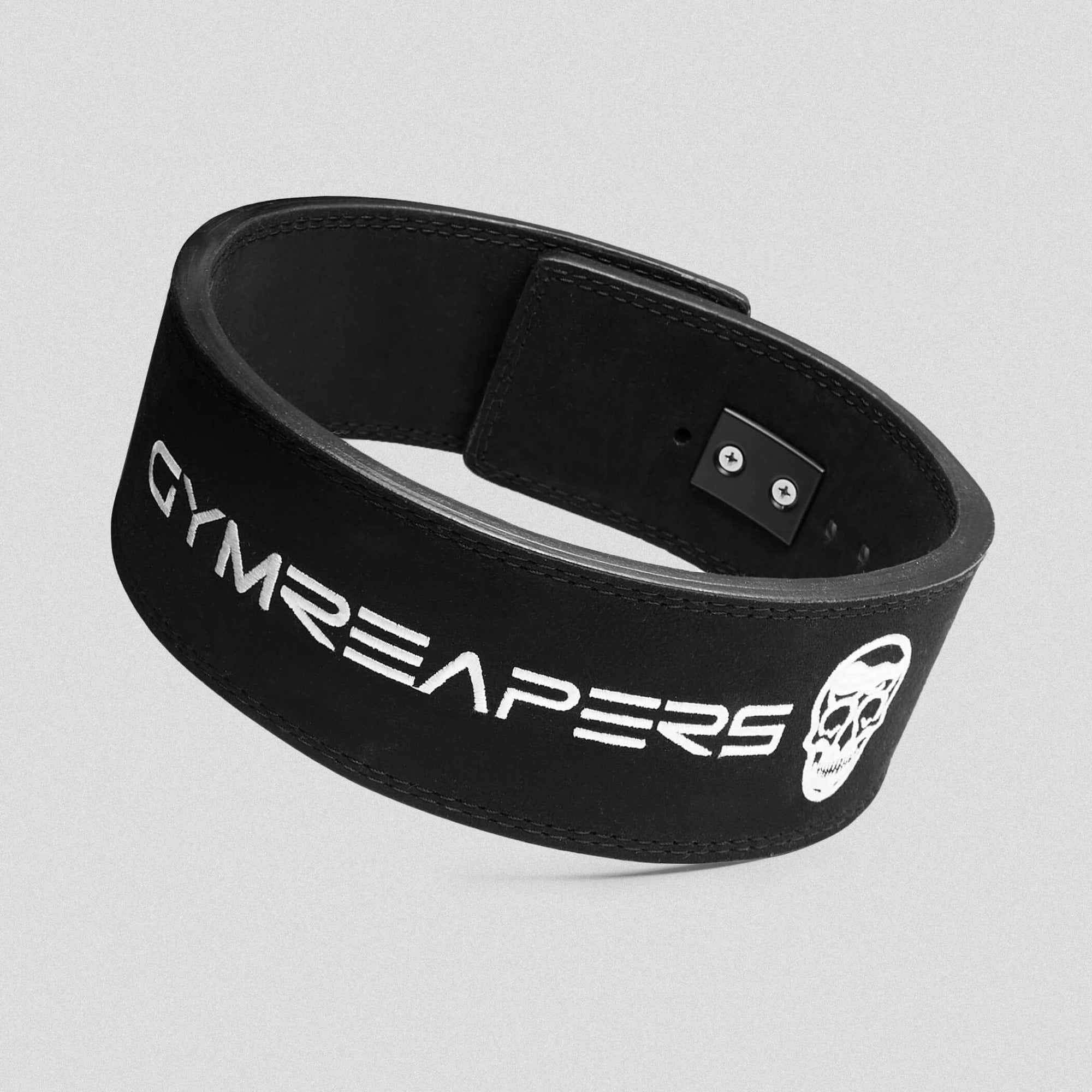
10MM Lever Belt - Black
IPF APPROVED
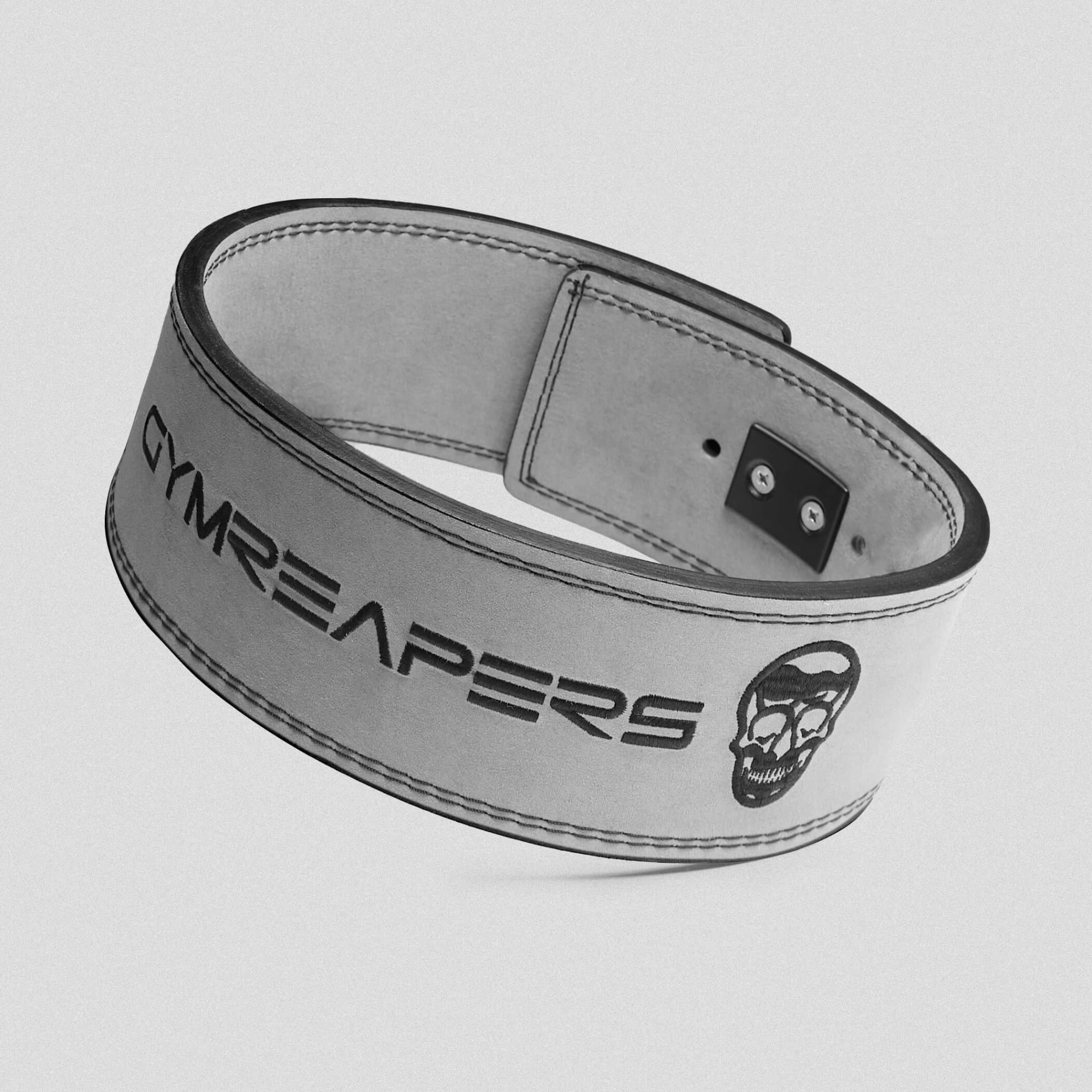
10MM Lever Belt - Gray
IPF APPROVED
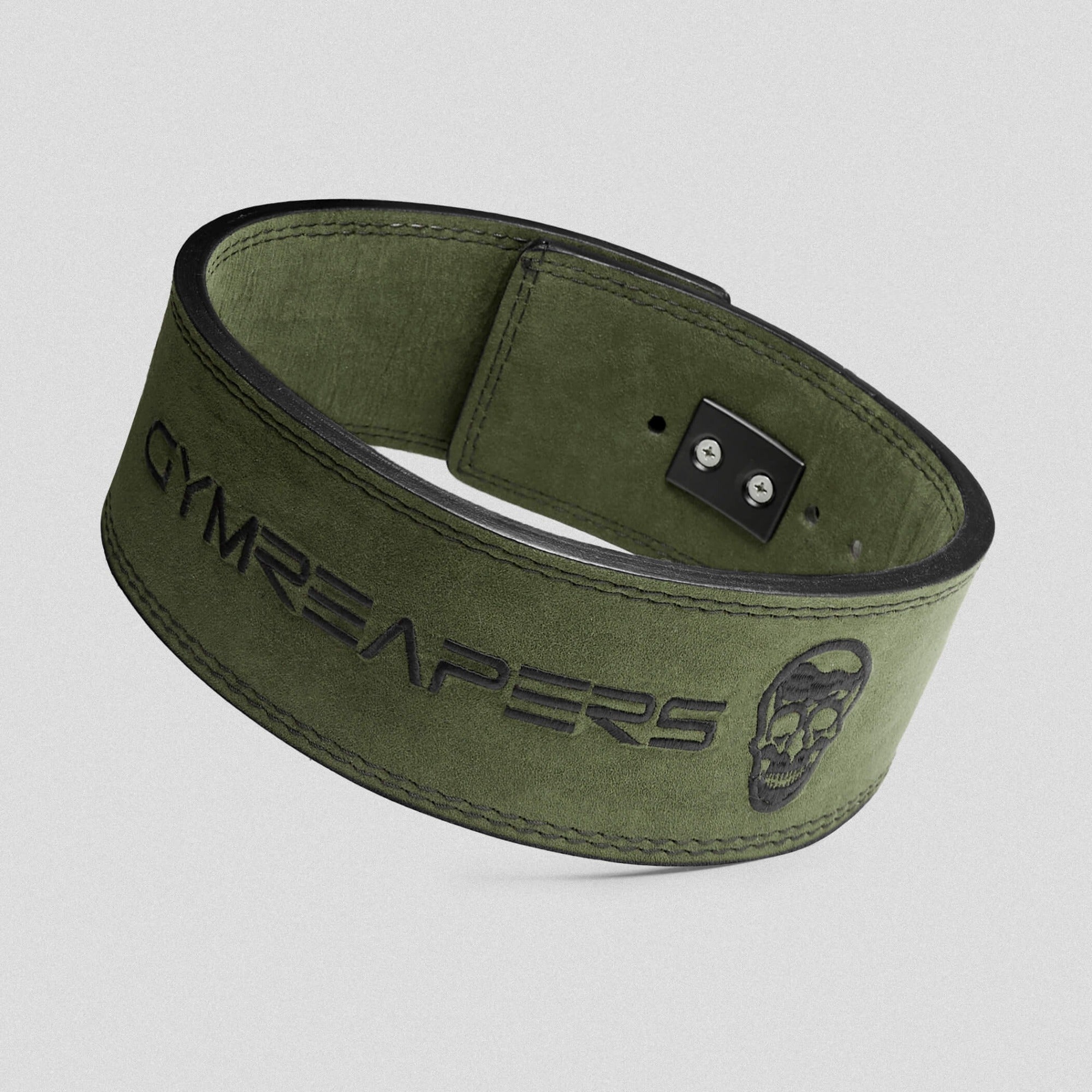
10MM Lever Belt - Military Green
IPF APPROVED
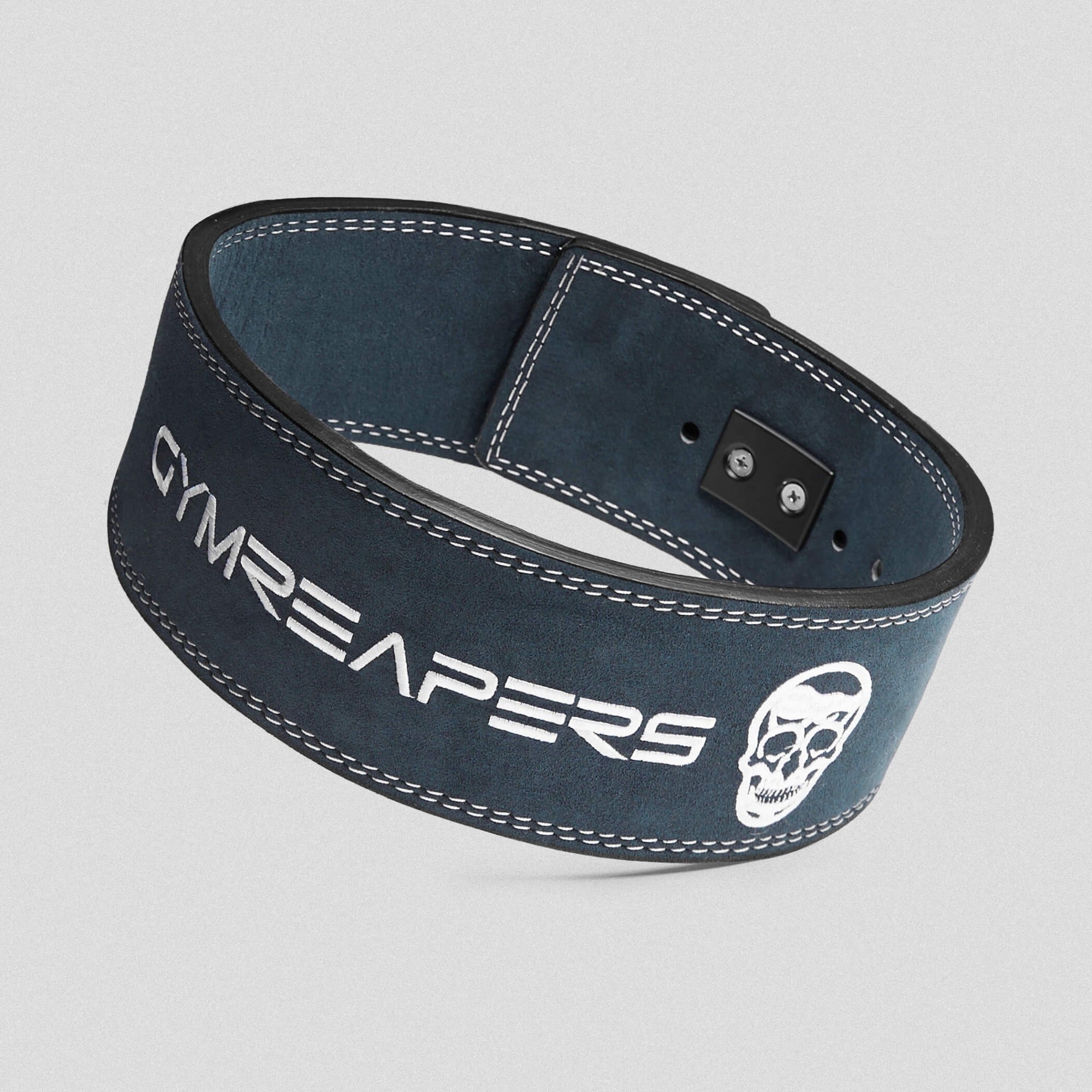
10MM Lever Belt - Navy
IPF APPROVED
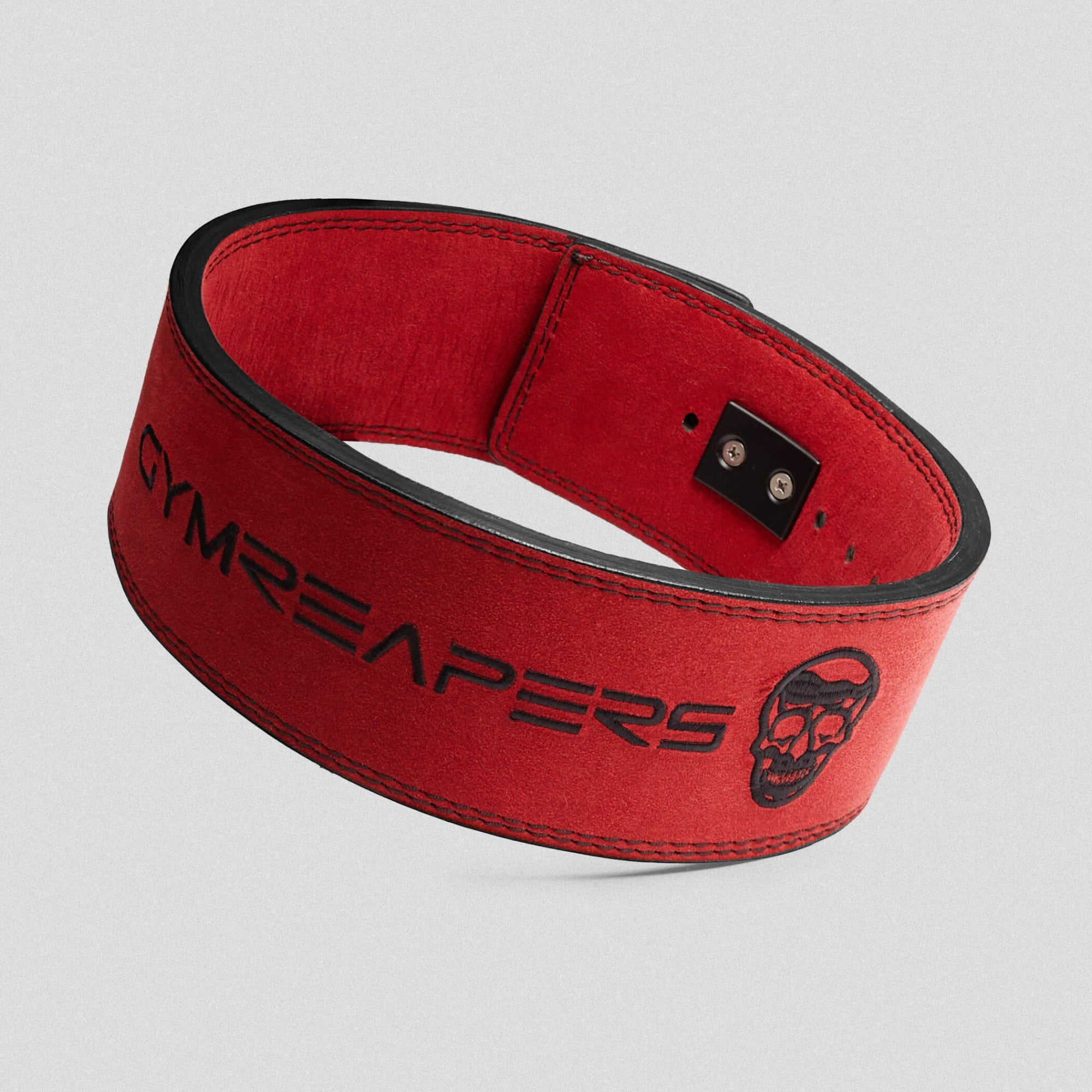
10MM Lever Belt - Red
IPF APPROVED
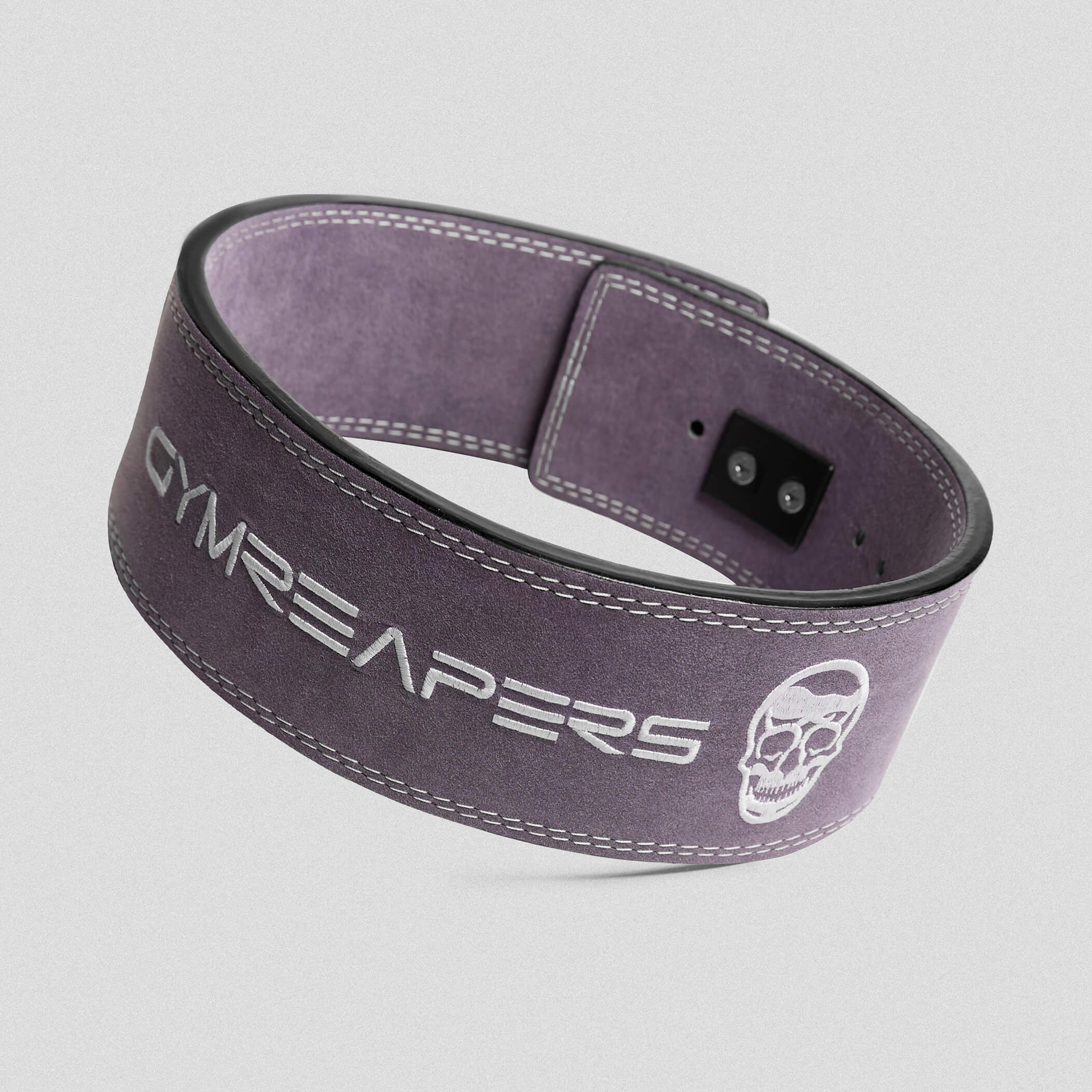
10MM Lever Belt - Lilac
IPF APPROVED
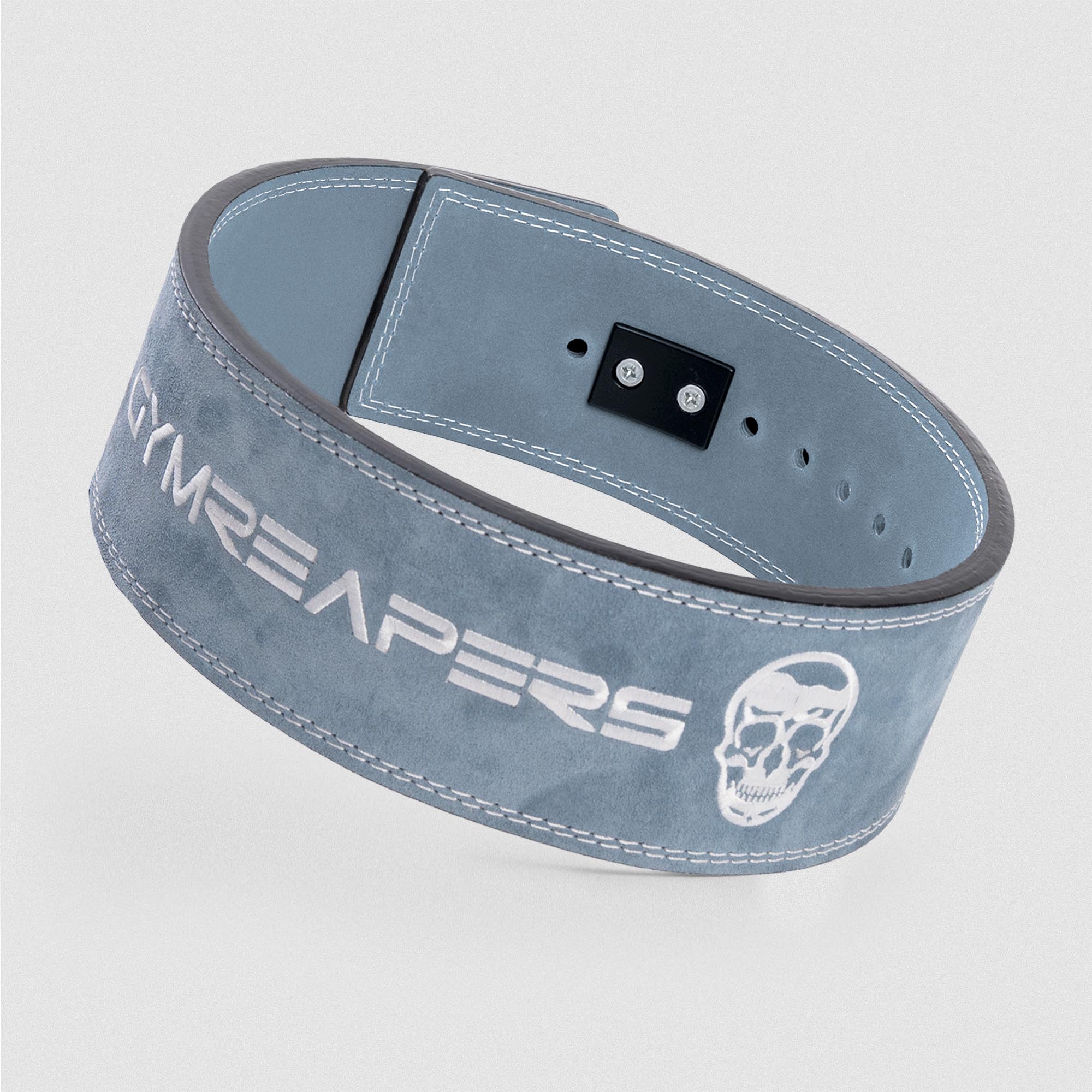
10MM Lever Belt - Blue
IPF APPROVED
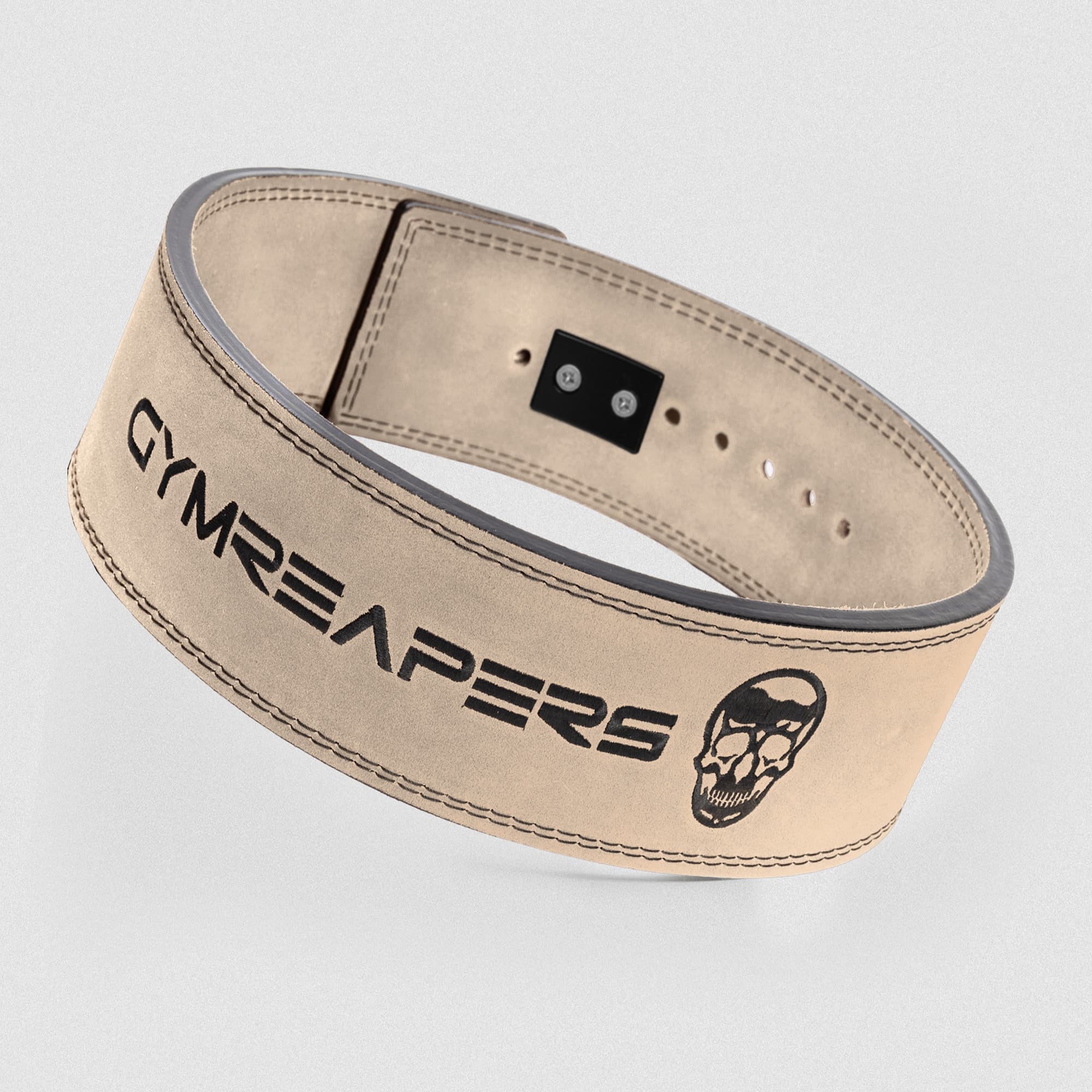
10MM Lever Belt - Desert Sand
IPF APPROVED
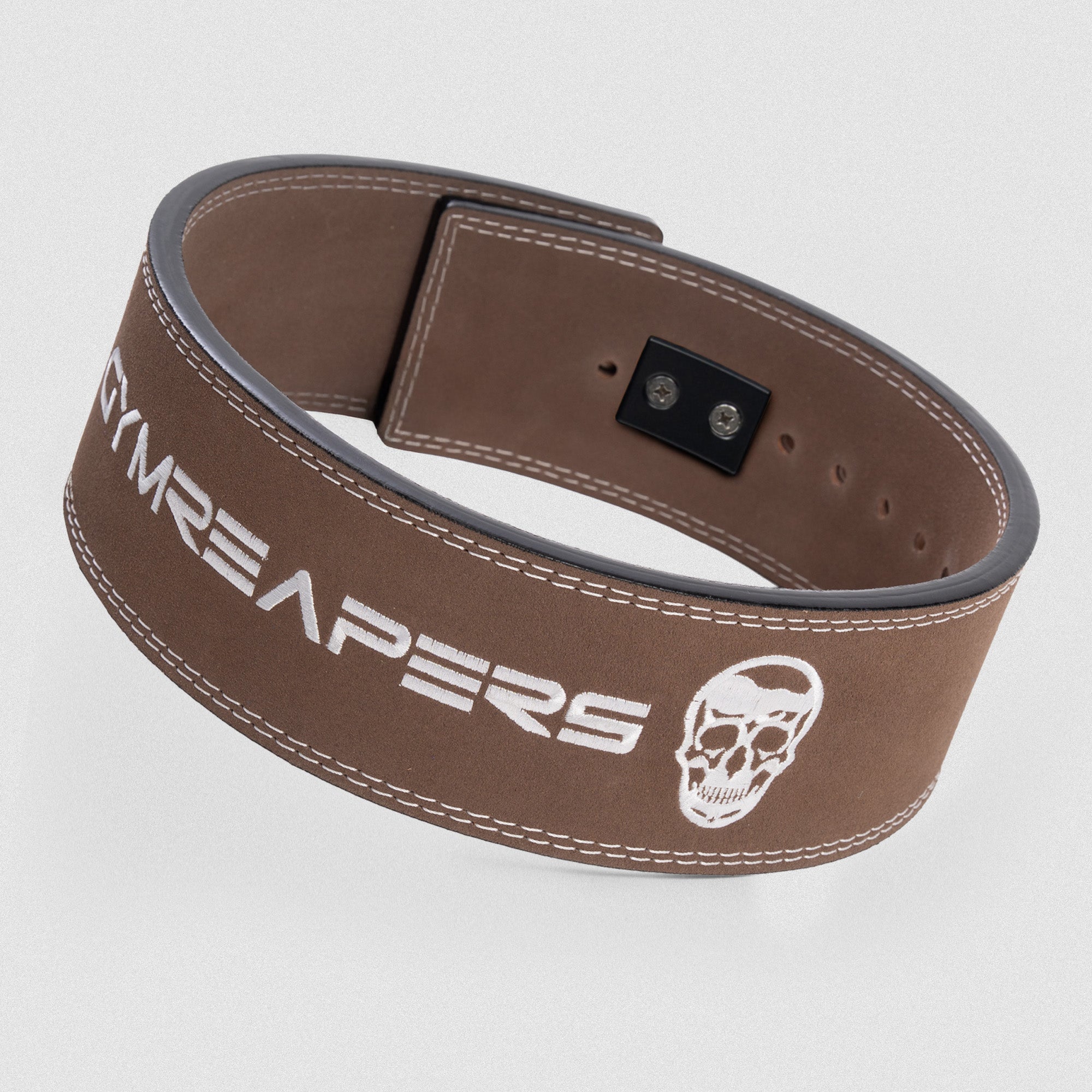
10MM Lever Belt - Brown
IPF APPROVED
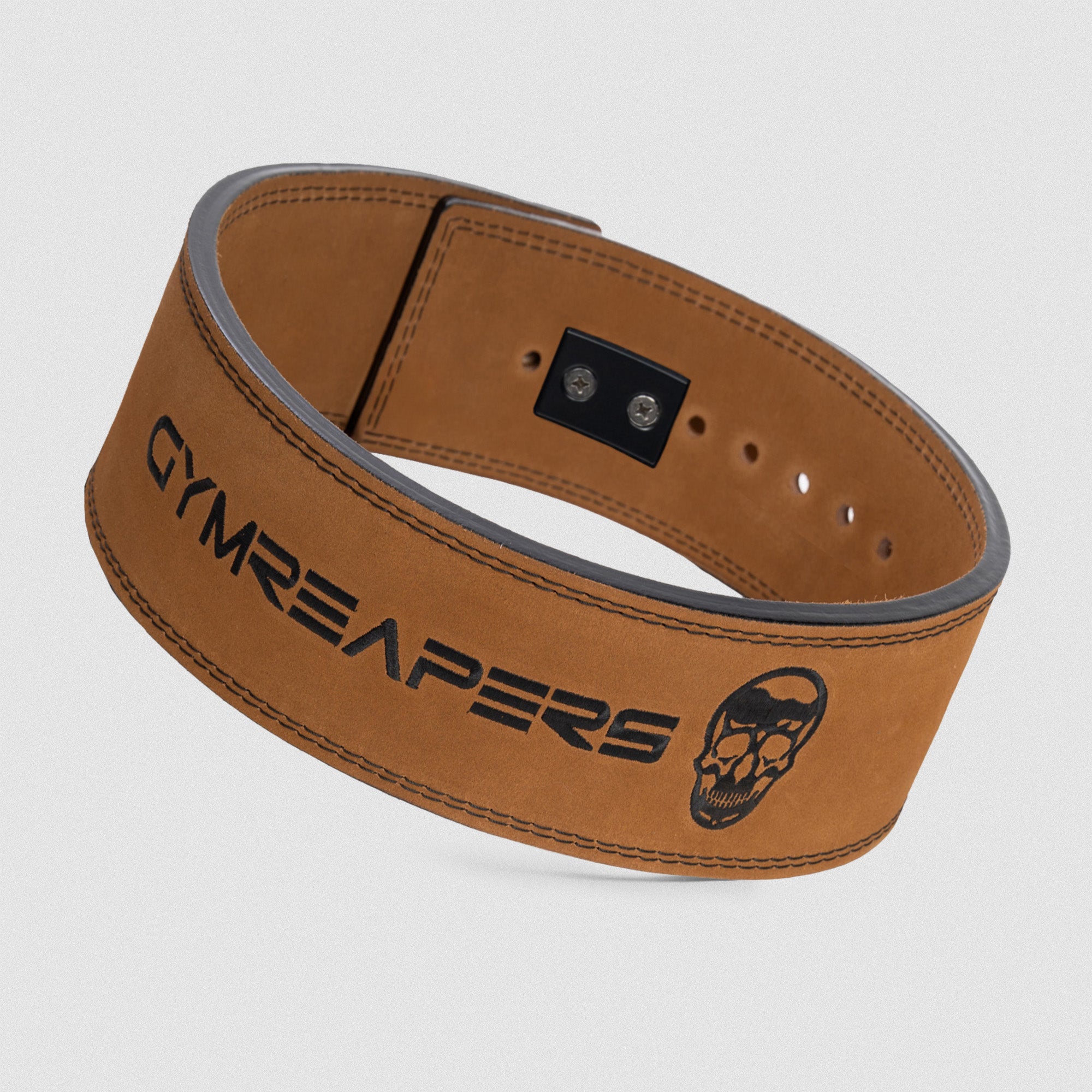
10MM Lever Belt - Rust
IPF APPROVED
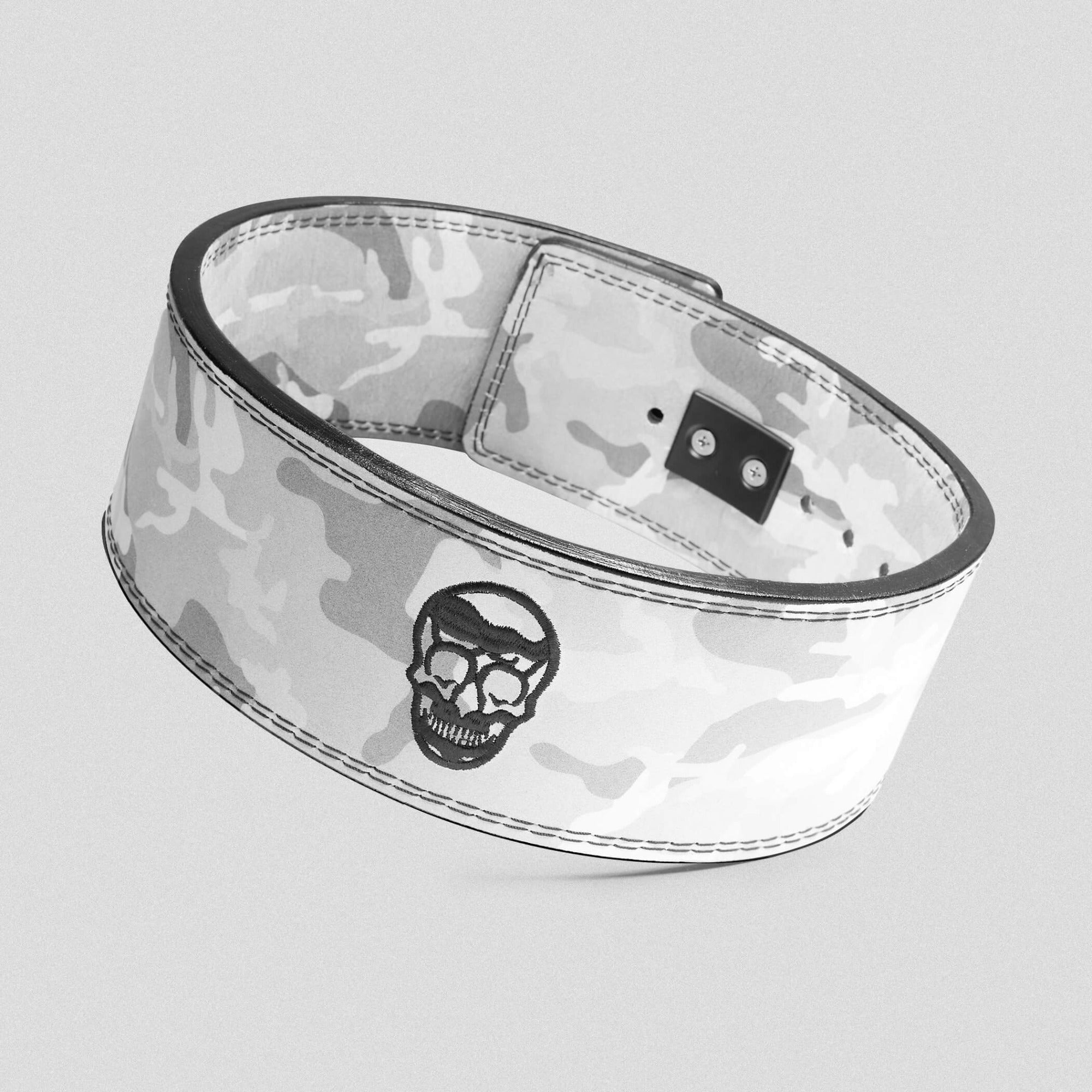
10MM Lever Belt - White Camo
IPF APPROVED
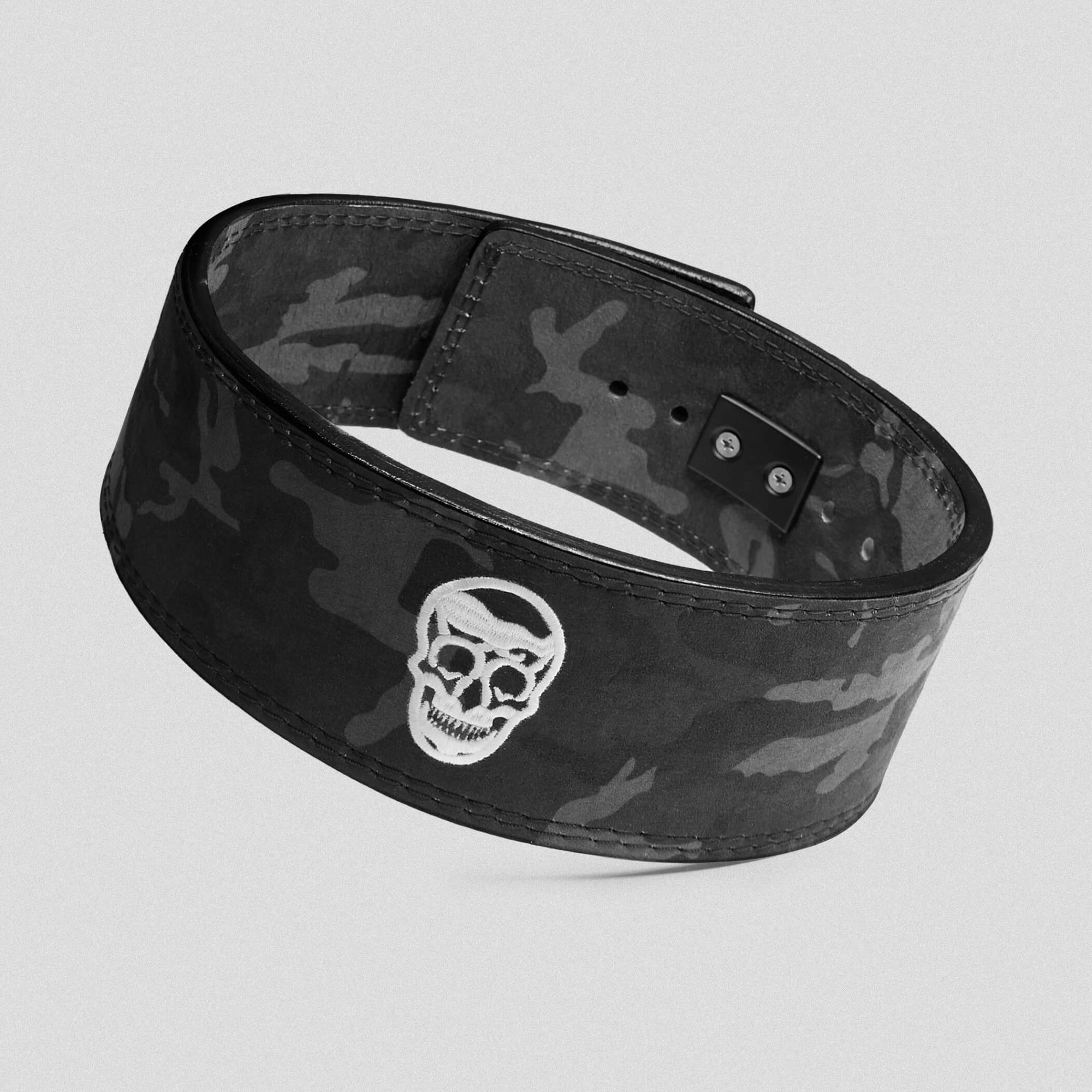
10MM Lever Belt - Midnight Camo
IPF APPROVED
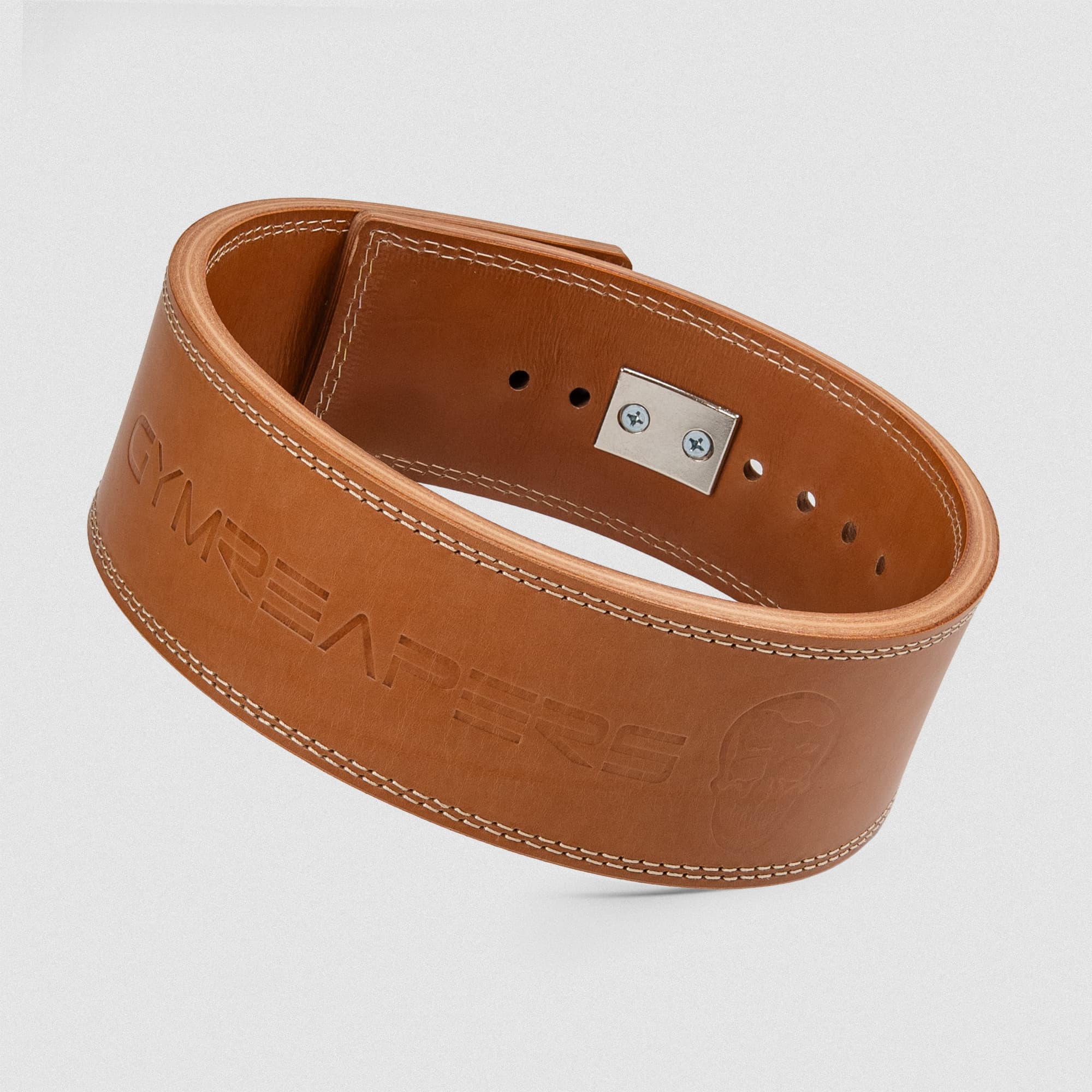
Heritage 10MM Lever Belt
IPF APPROVED
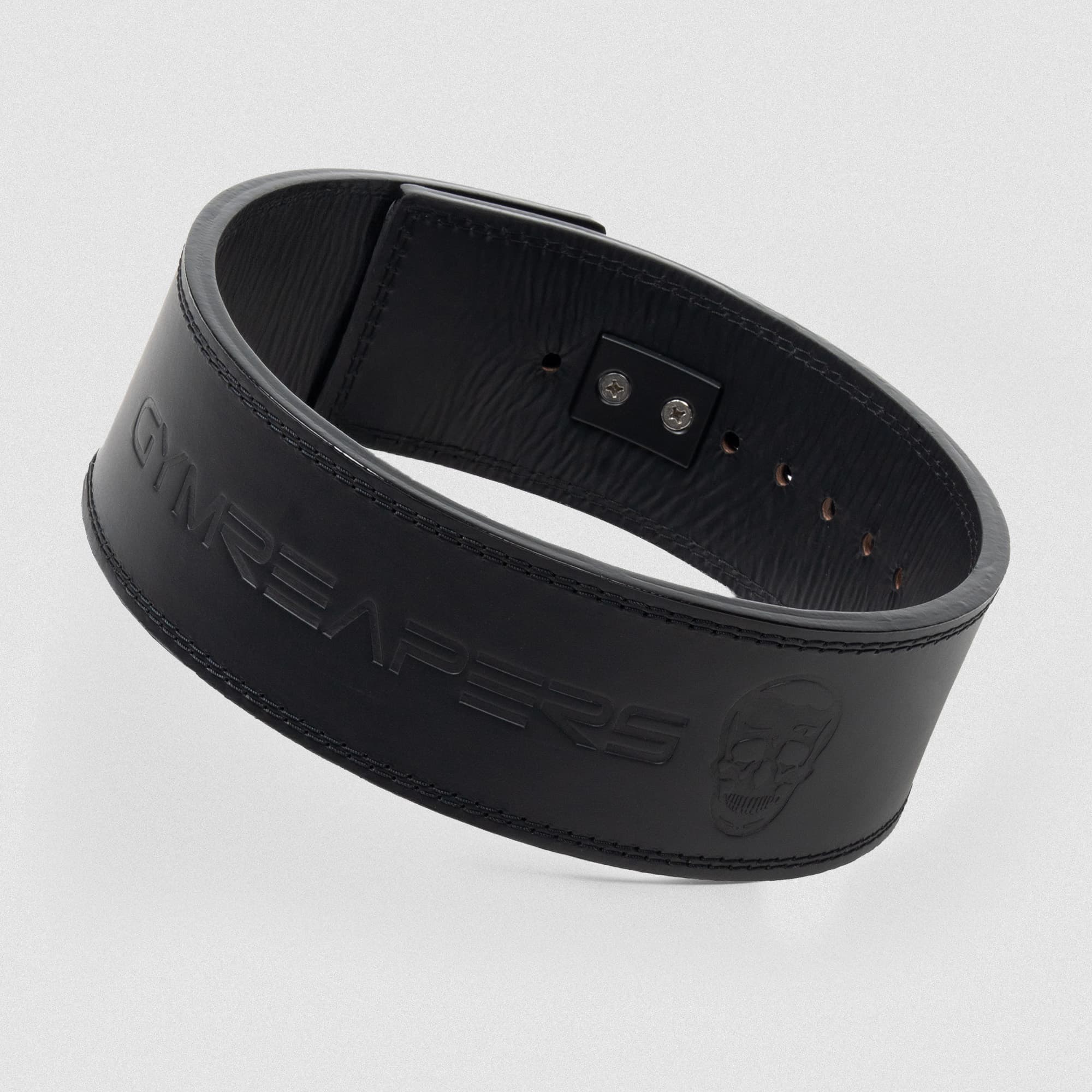
10MM Lever Belt - Black Leather
IPF APPROVED
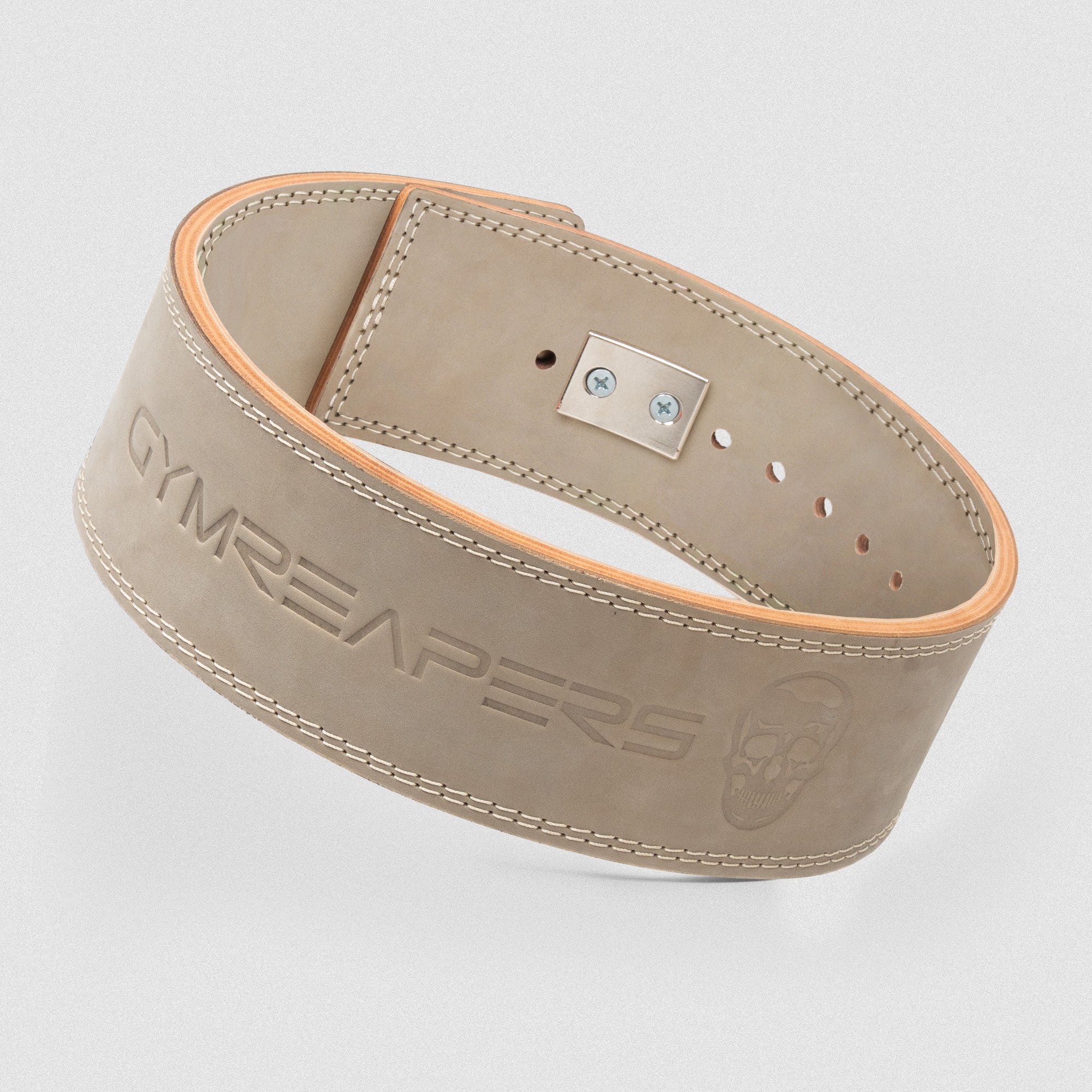
10MM Lever Belt - Sand Leather
IPF APPROVED
Heritage 13MM Lever Belt
IPF APPROVED
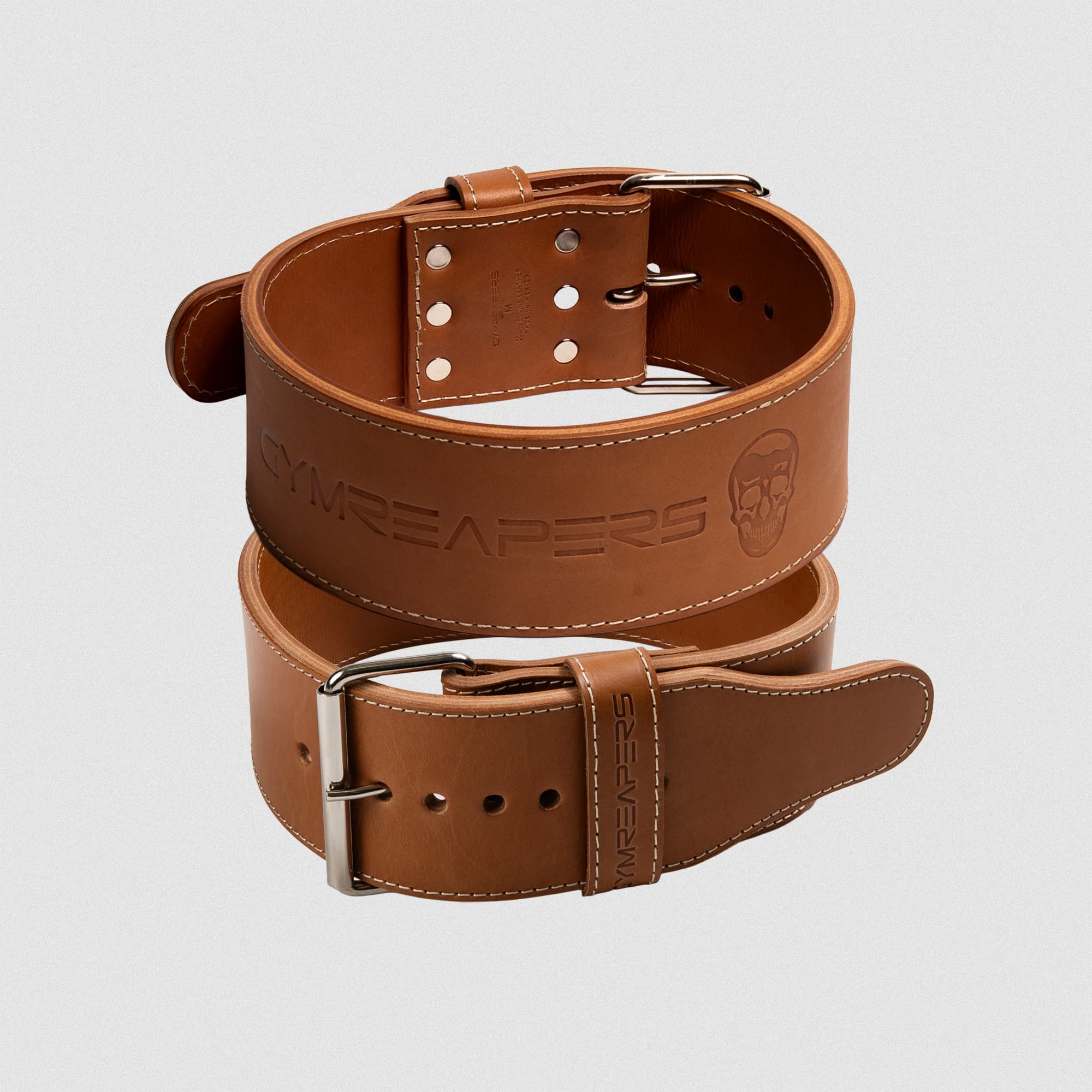
Heritage 10MM Single Prong Belt
IPF APPROVED
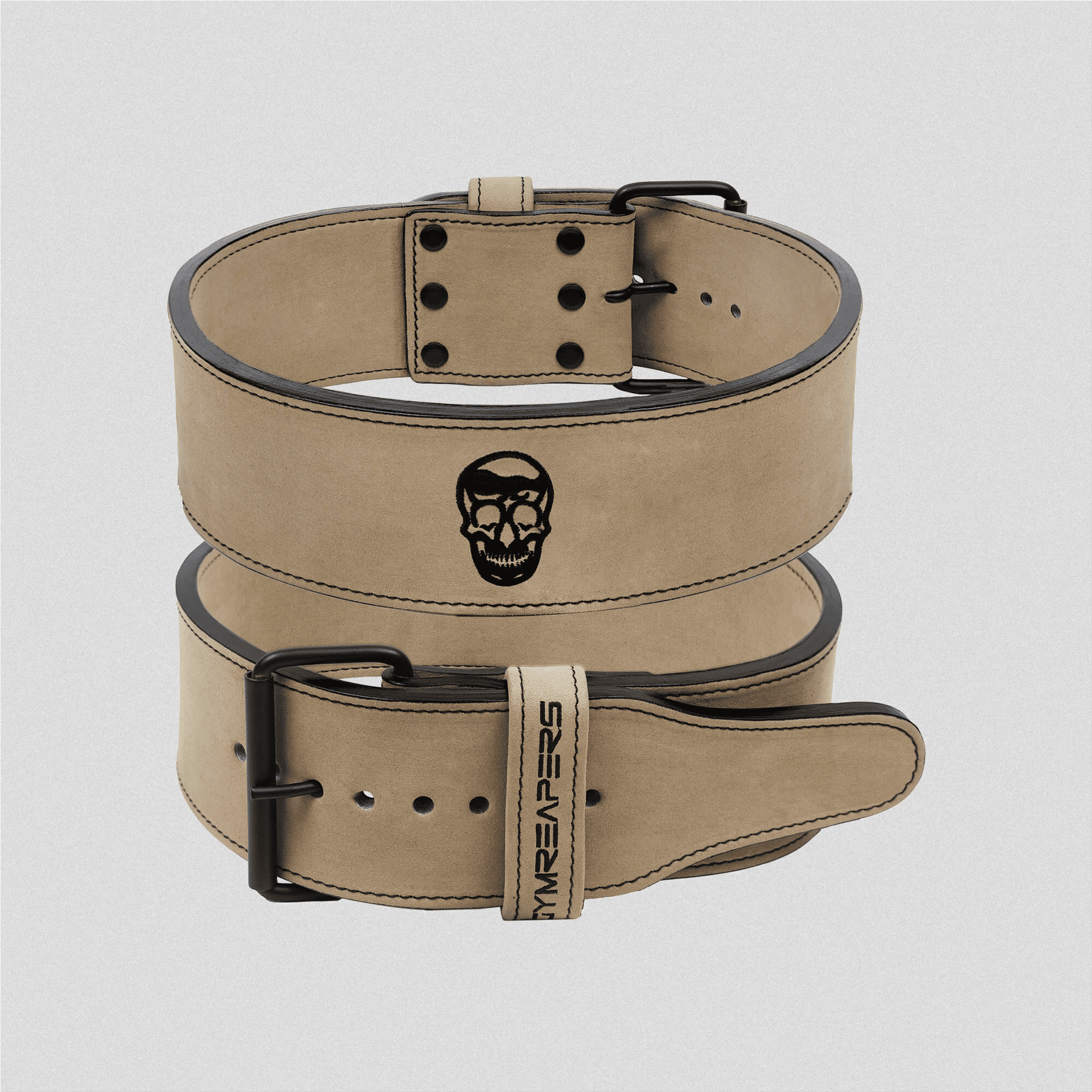
10MM Single Prong Belt - Tan
IPF APPROVED
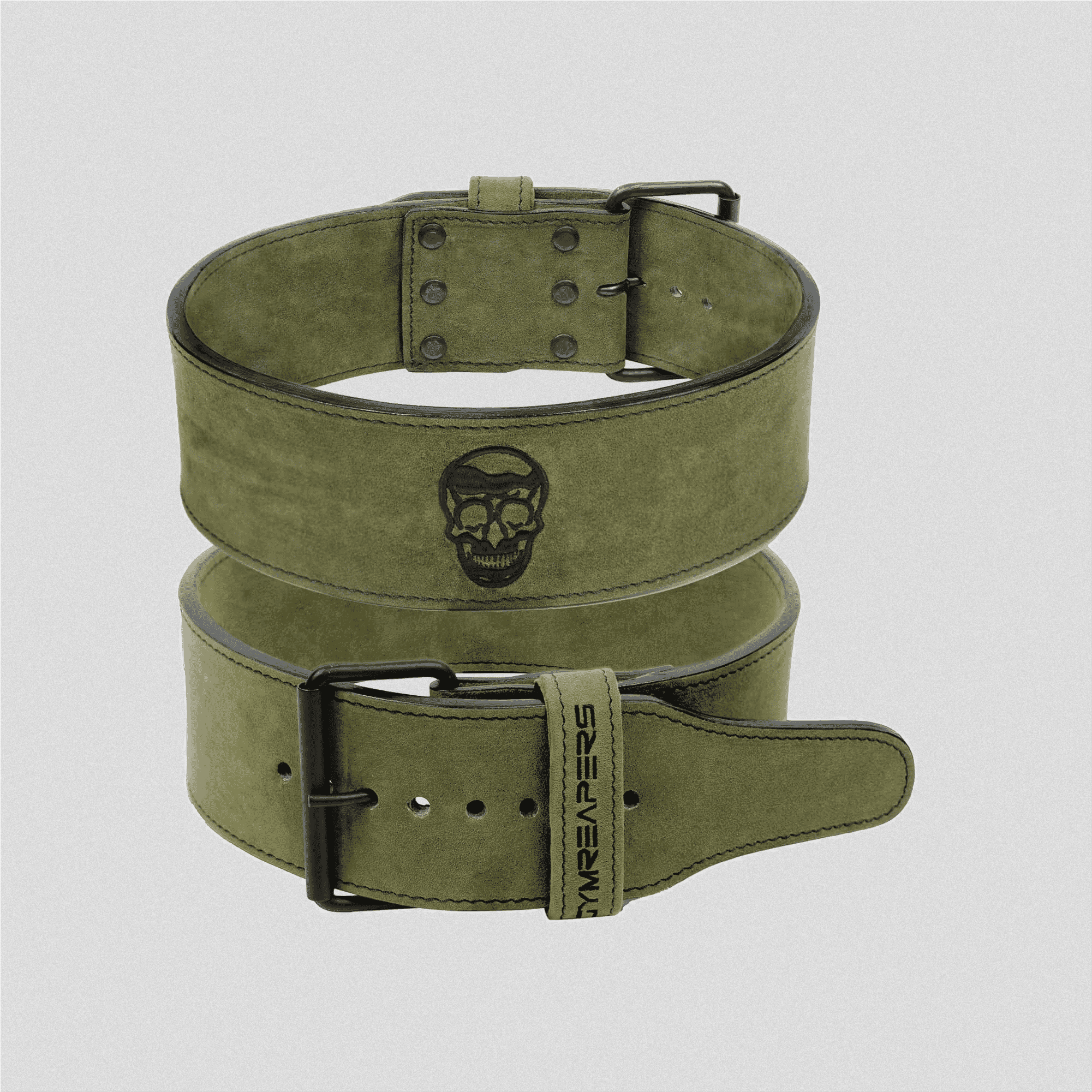
10MM Single Prong Belt - Green
IPF APPROVED
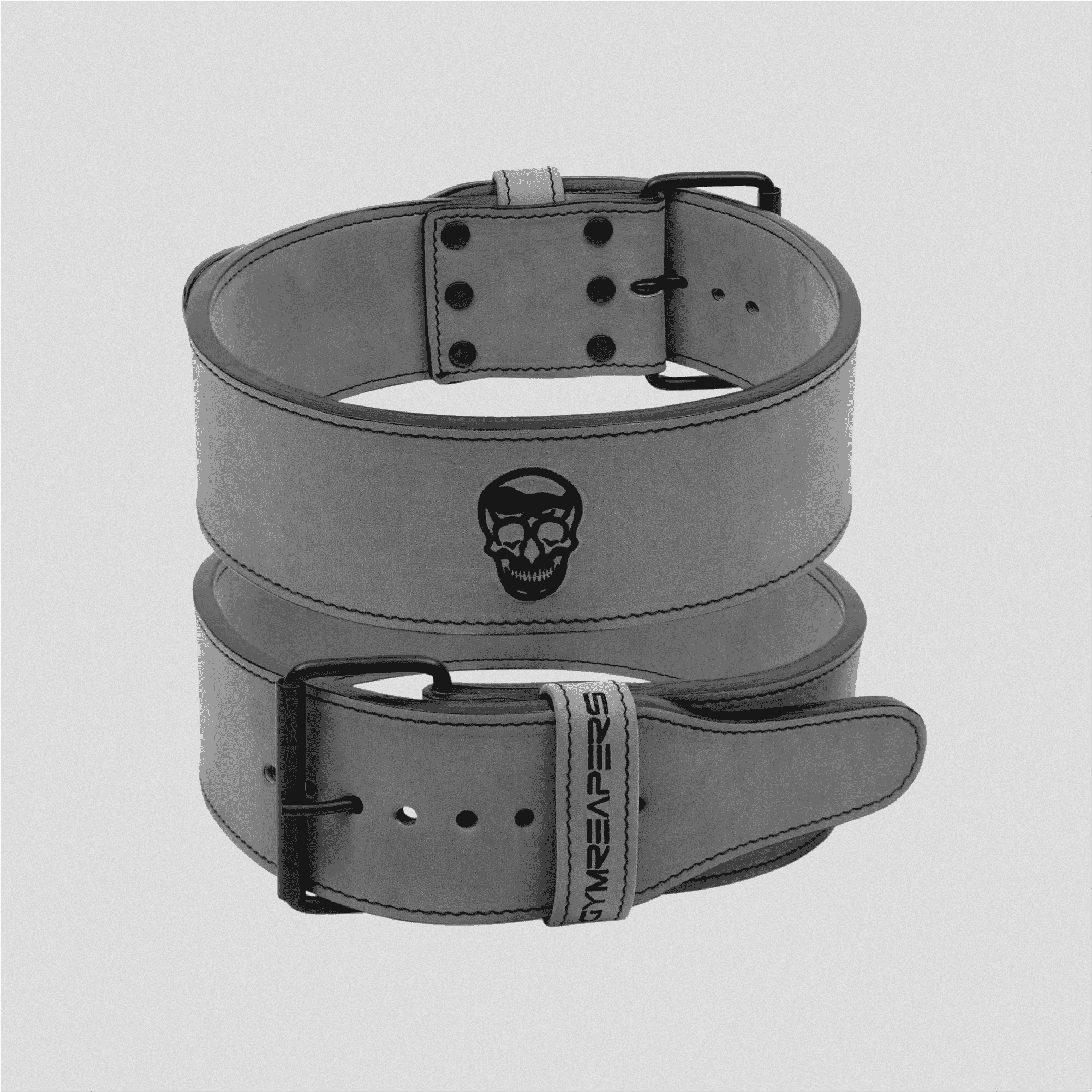
10MM Single Prong Belt - Gray
IPF APPROVED
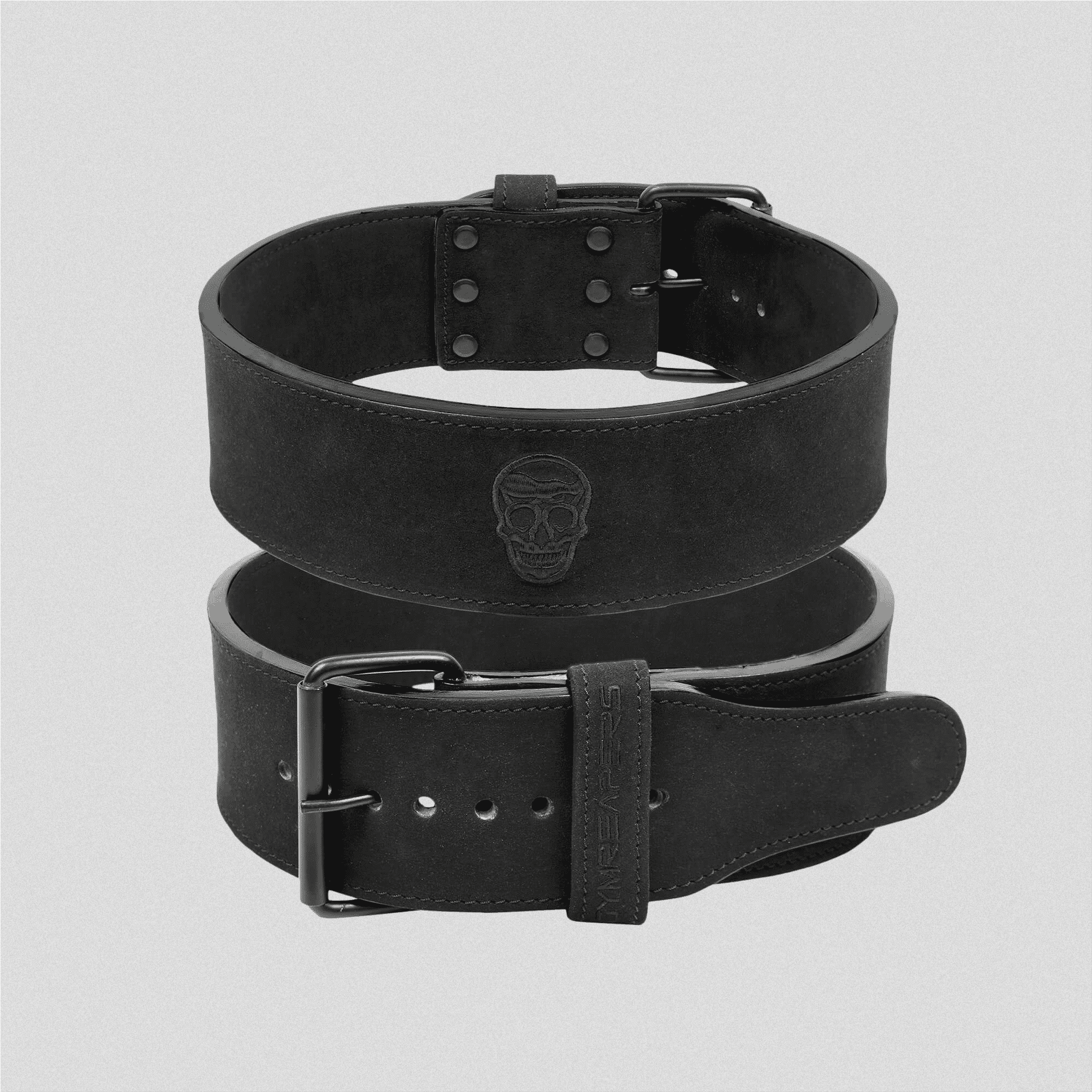
10MM Single Prong Belt - Black
IPF APPROVED
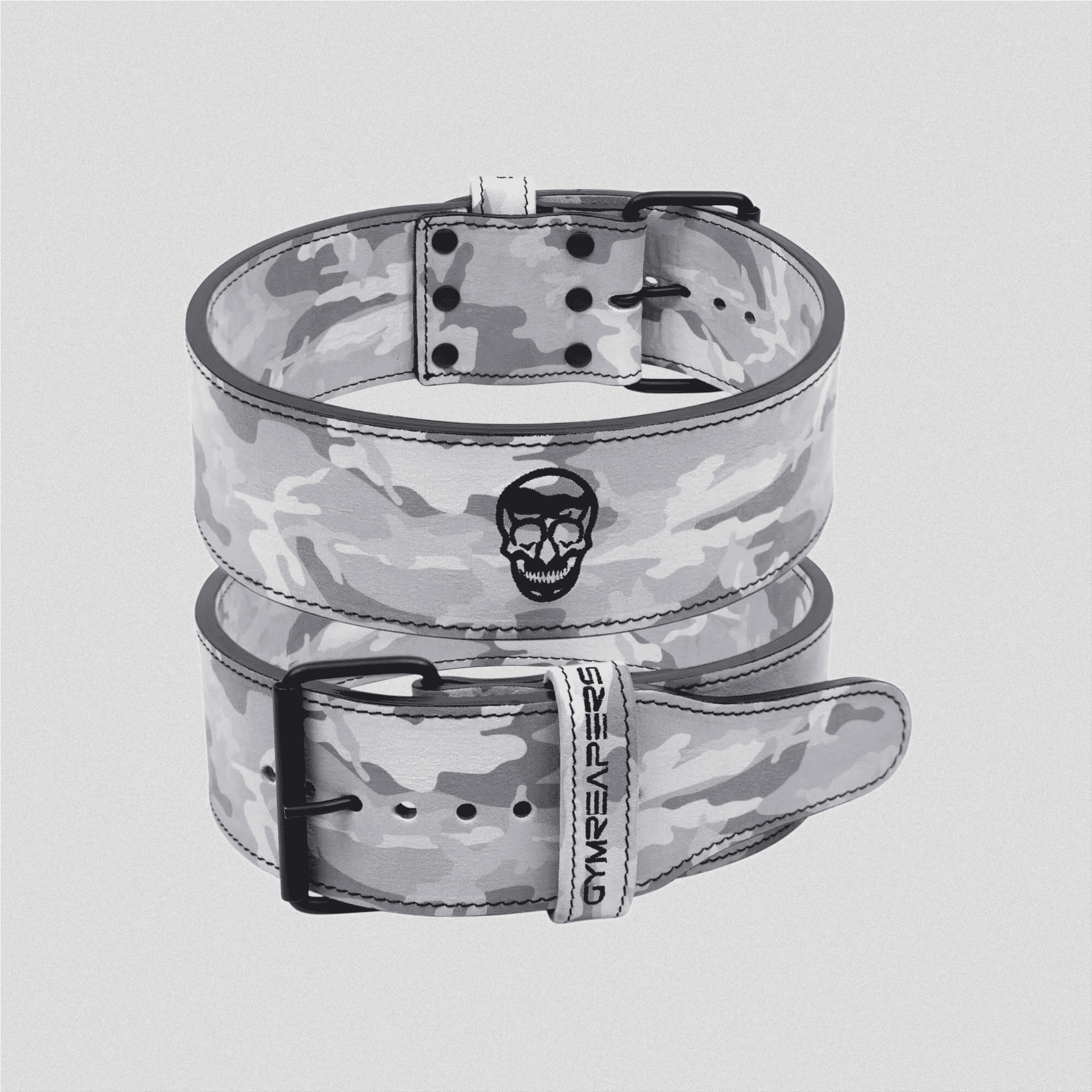
10MM Single Prong Belt - White Camo
IPF APPROVED
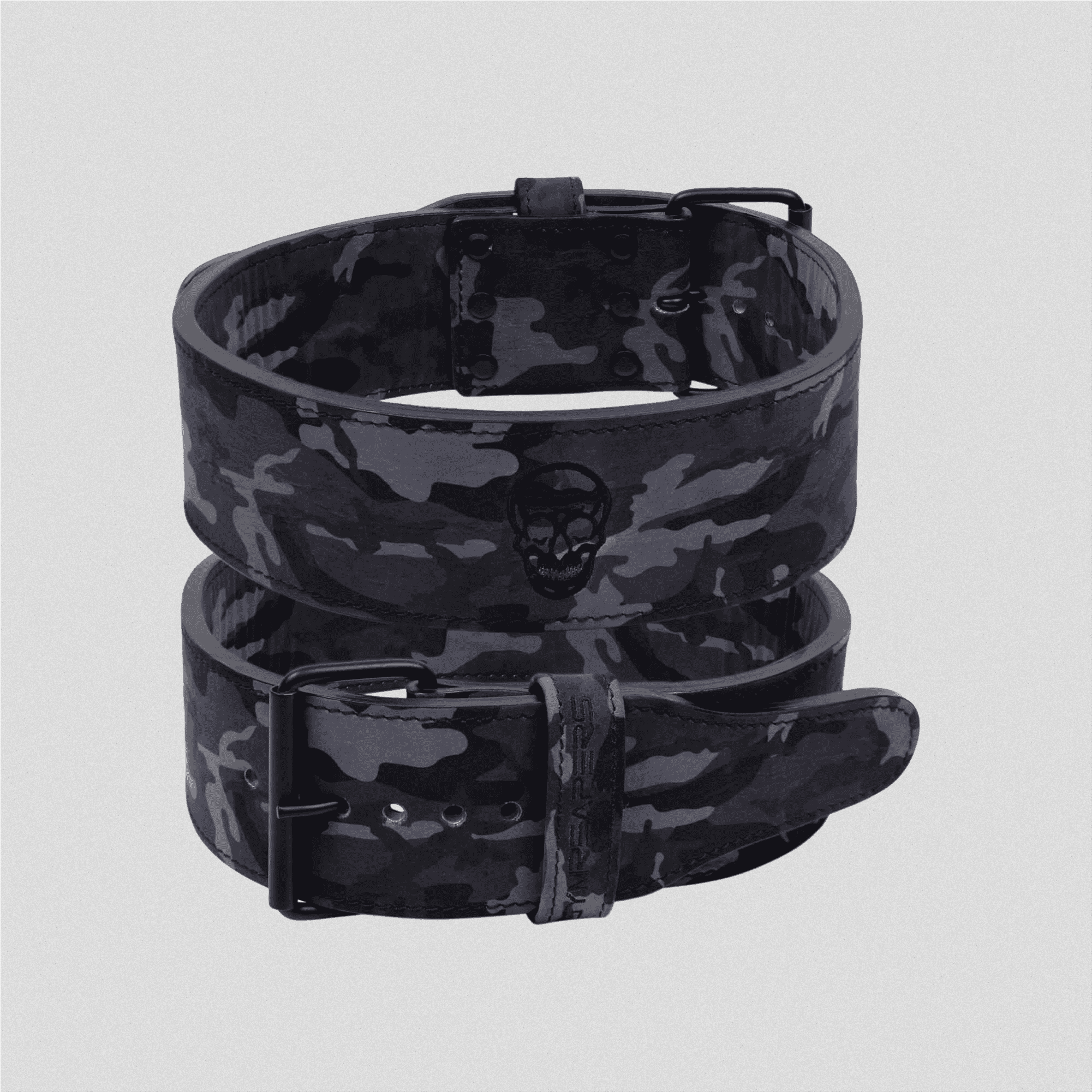
10MM Single Prong Belt - Midnight Camo
LIFETIME WARRANTY
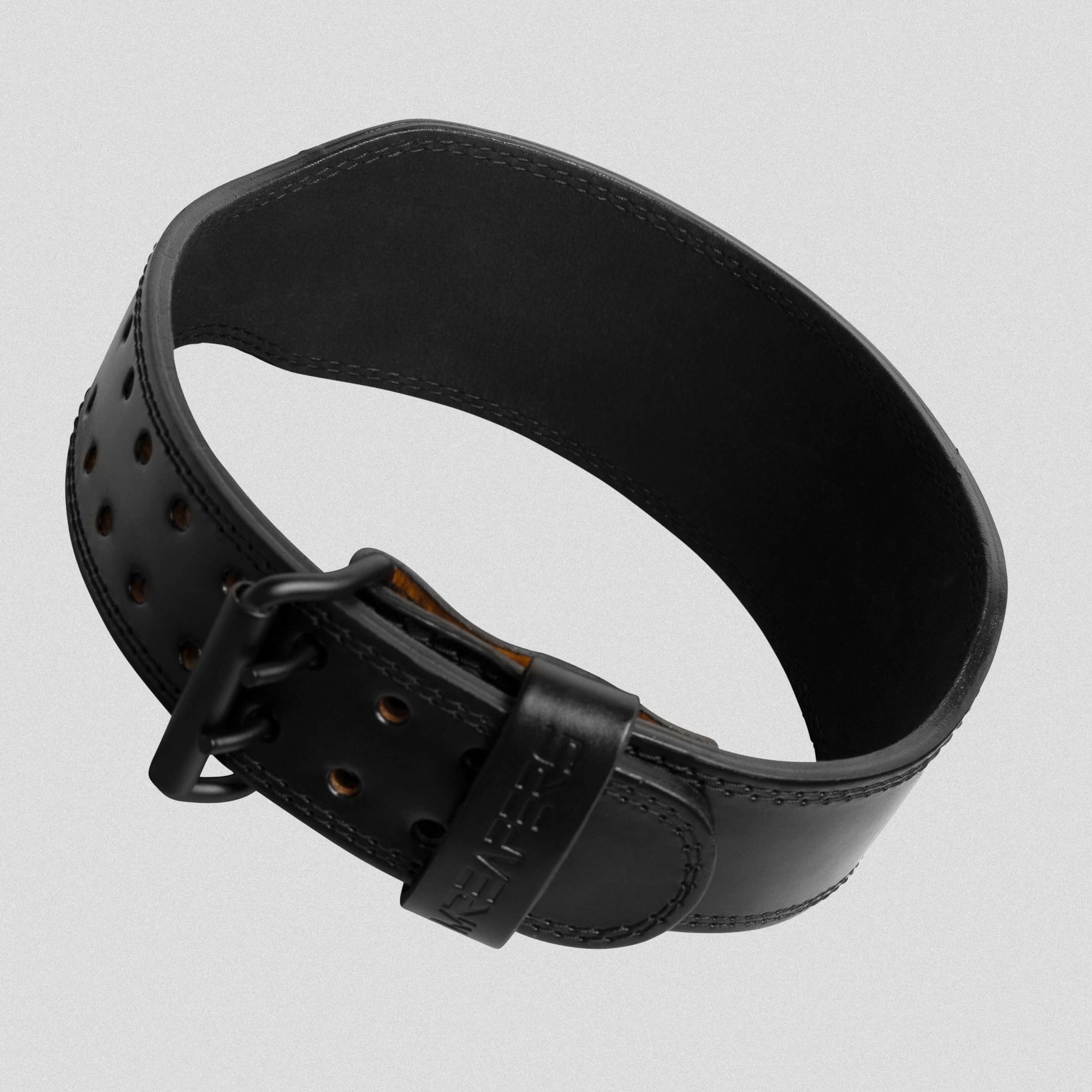
Gymreapers Weightlifting Belt | 7mm Leathe...
LIFETIME WARRANTY
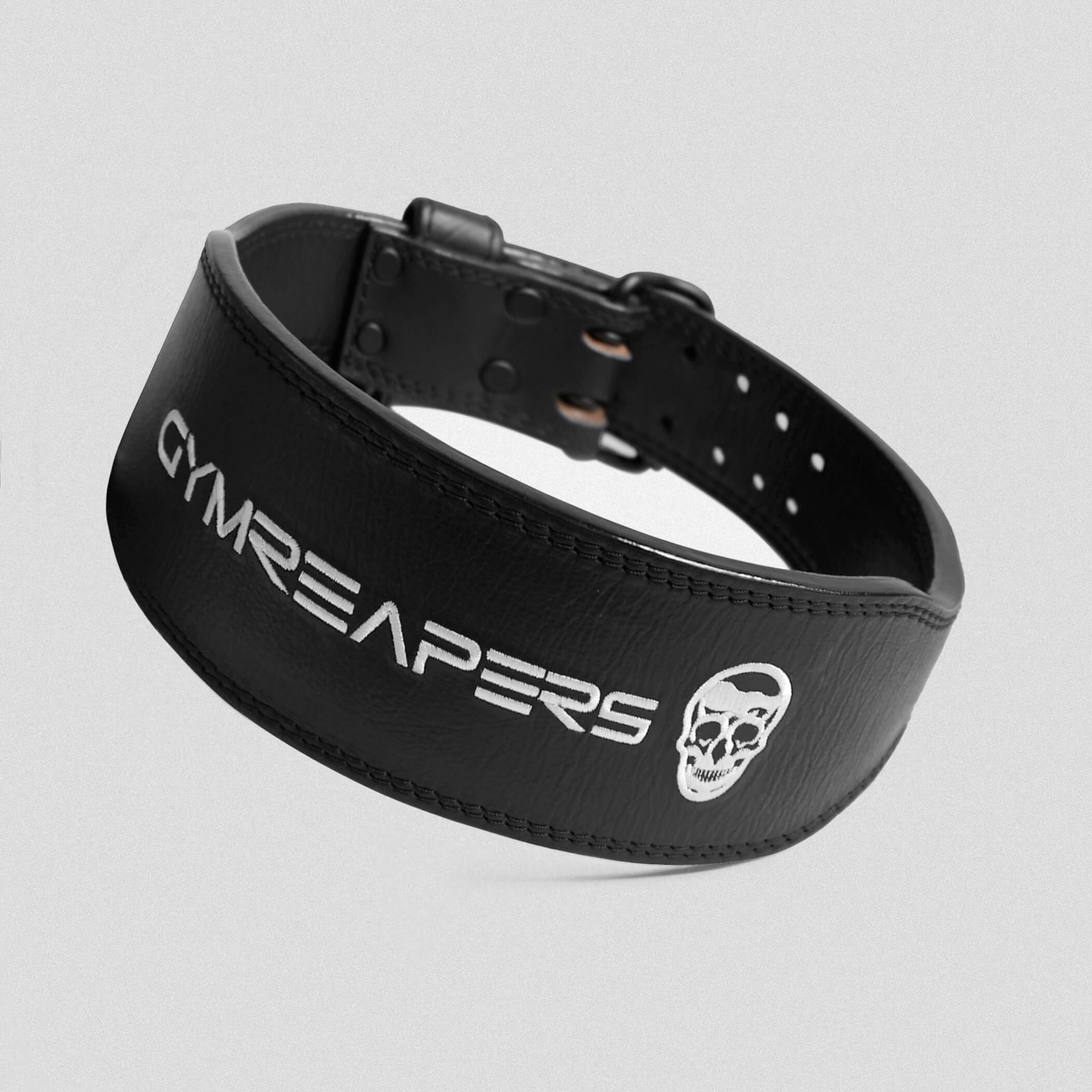
Leather Weightlifting Belt
LIFETIME WARRANTY
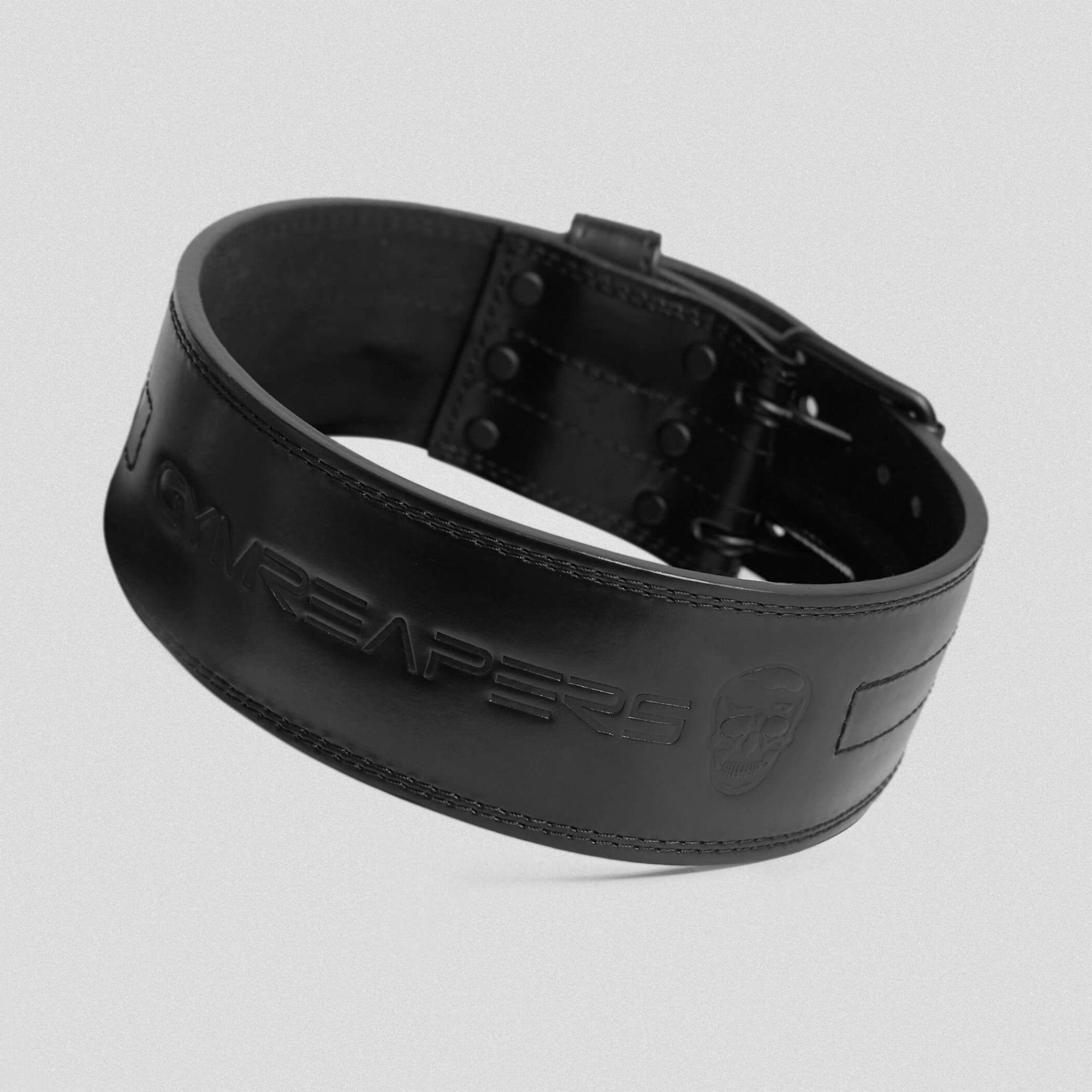
6mm Weightlifting Belt
LIFETIME WARRANTY
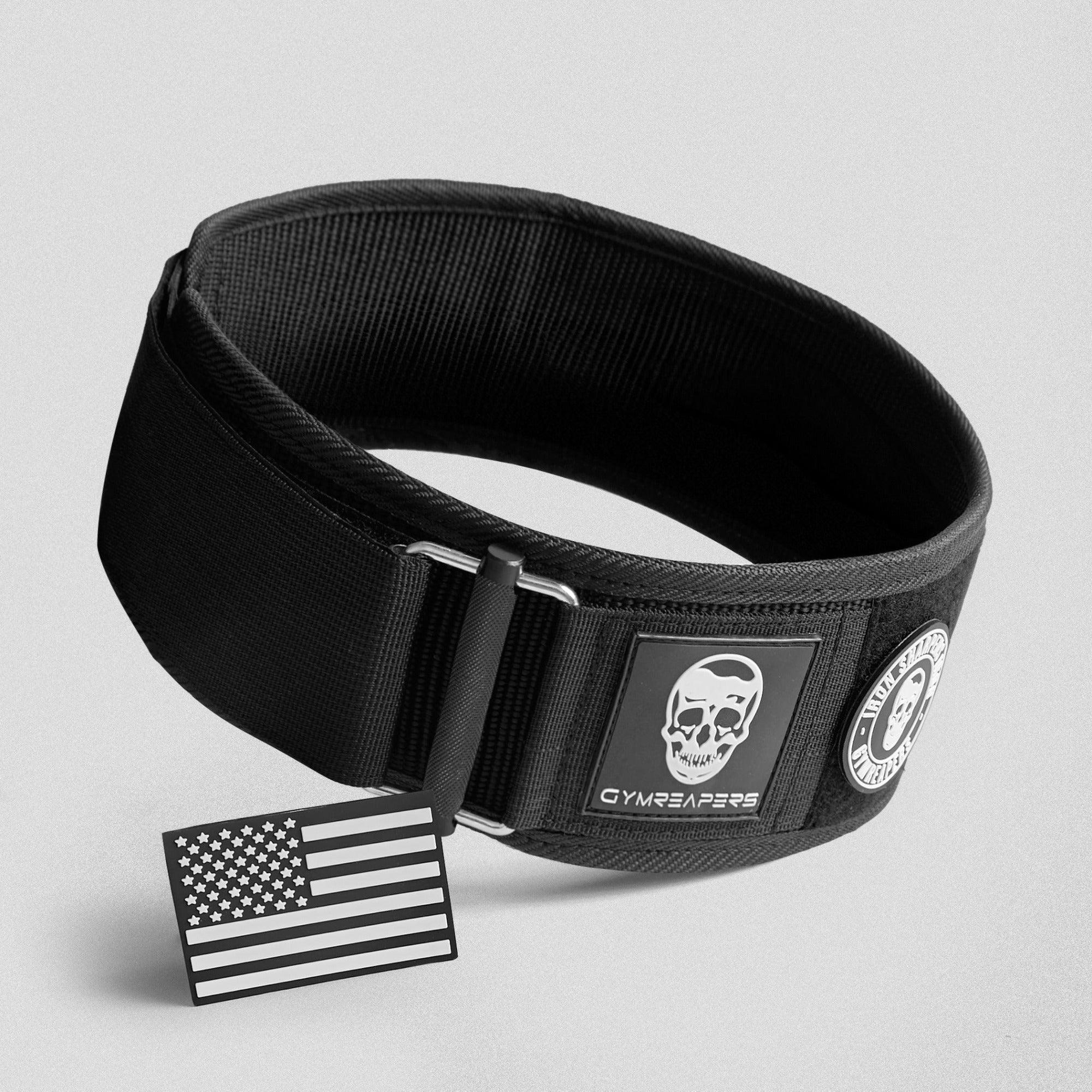
Quick Locking Weightlifting Belt (with Pat...
LIFETIME WARRANTY
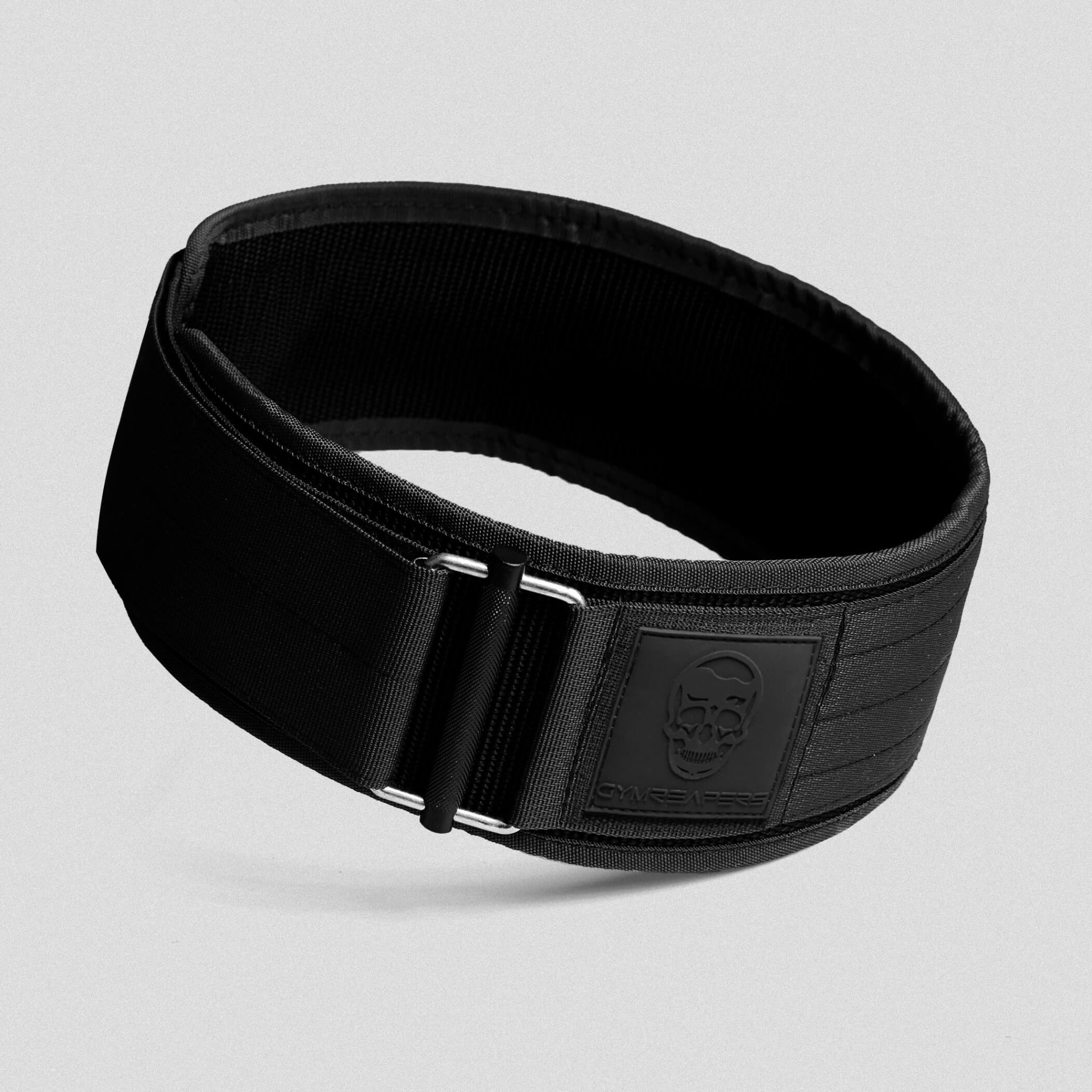
Quick Lock Weightlifting Belt - Black/Black
LIFETIME WARRANTY
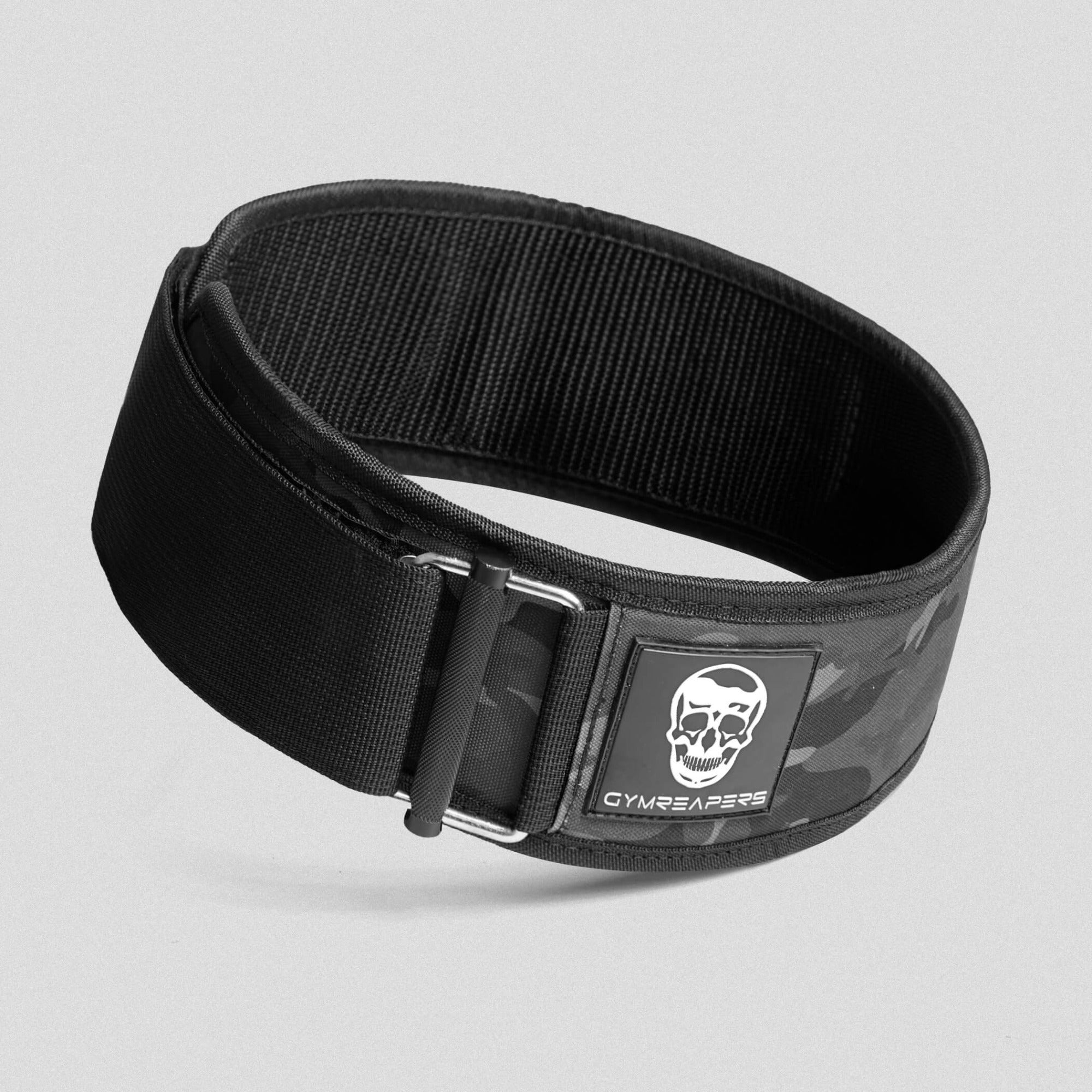
Quick Locking Weightlifting Belt | Premium...
LIFETIME WARRANTY
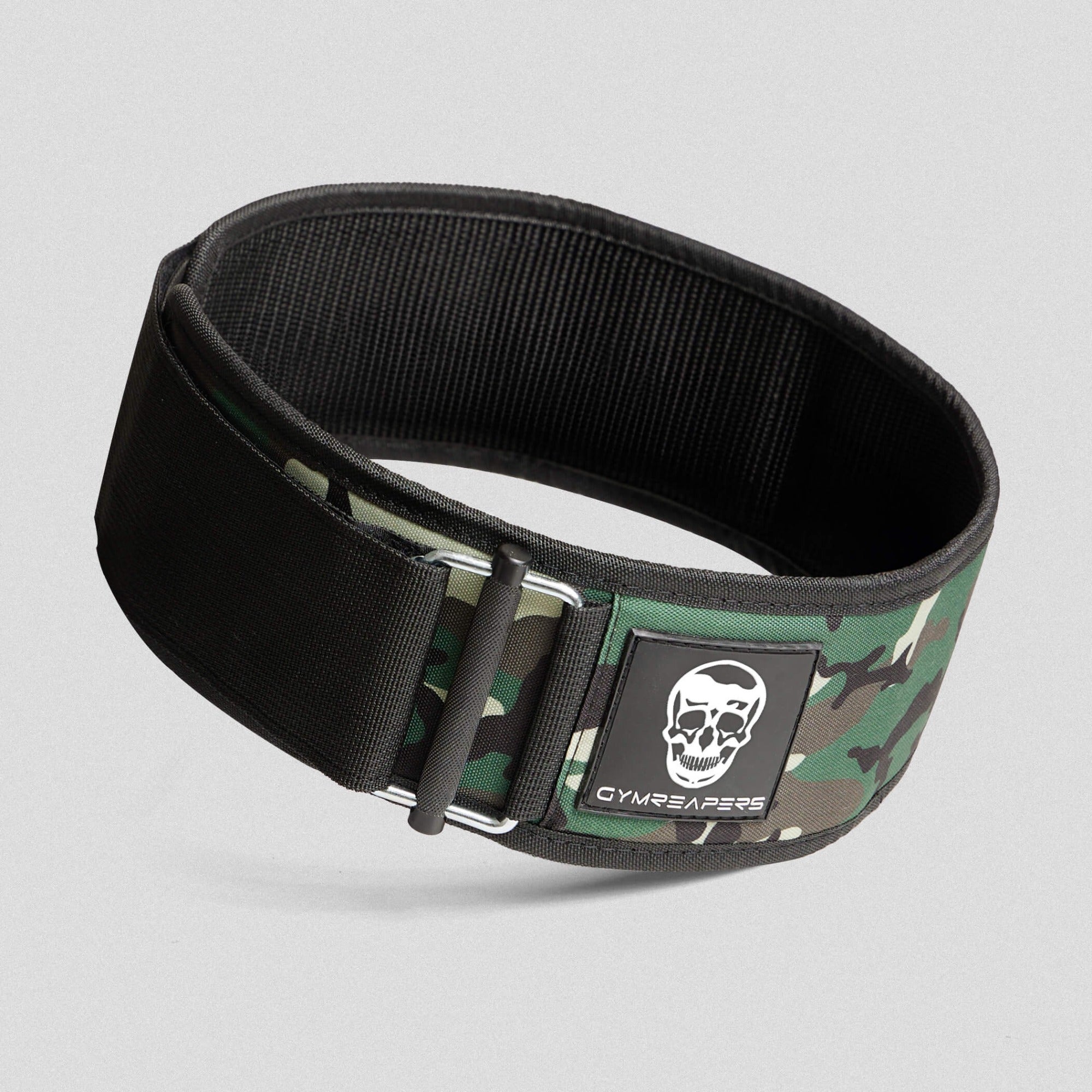
Quick Locking Weightlifting Belt | Premium...
LIFETIME WARRANTY
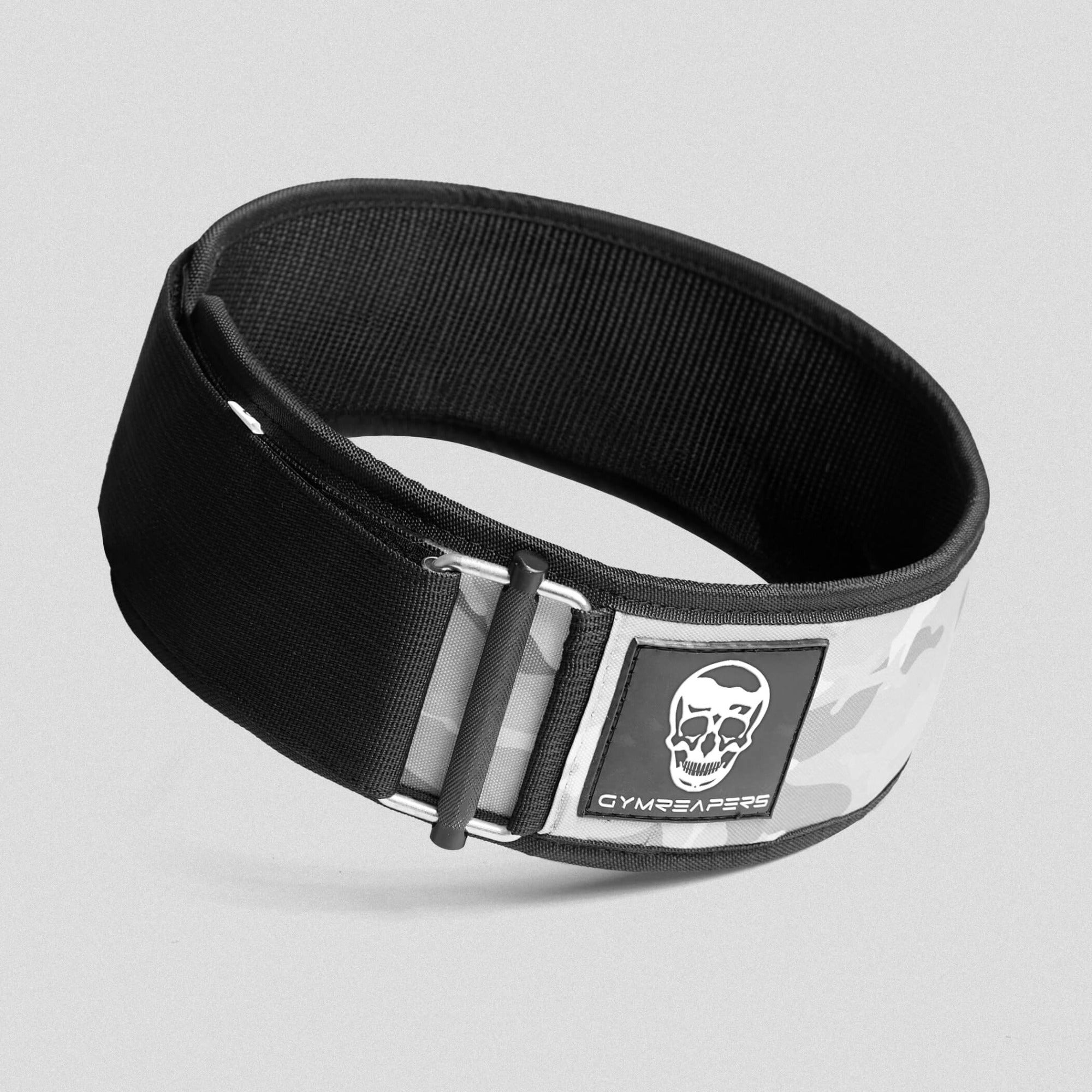
Quick Locking Weightlifting Belt | Premium...
LIFETIME WARRANTY
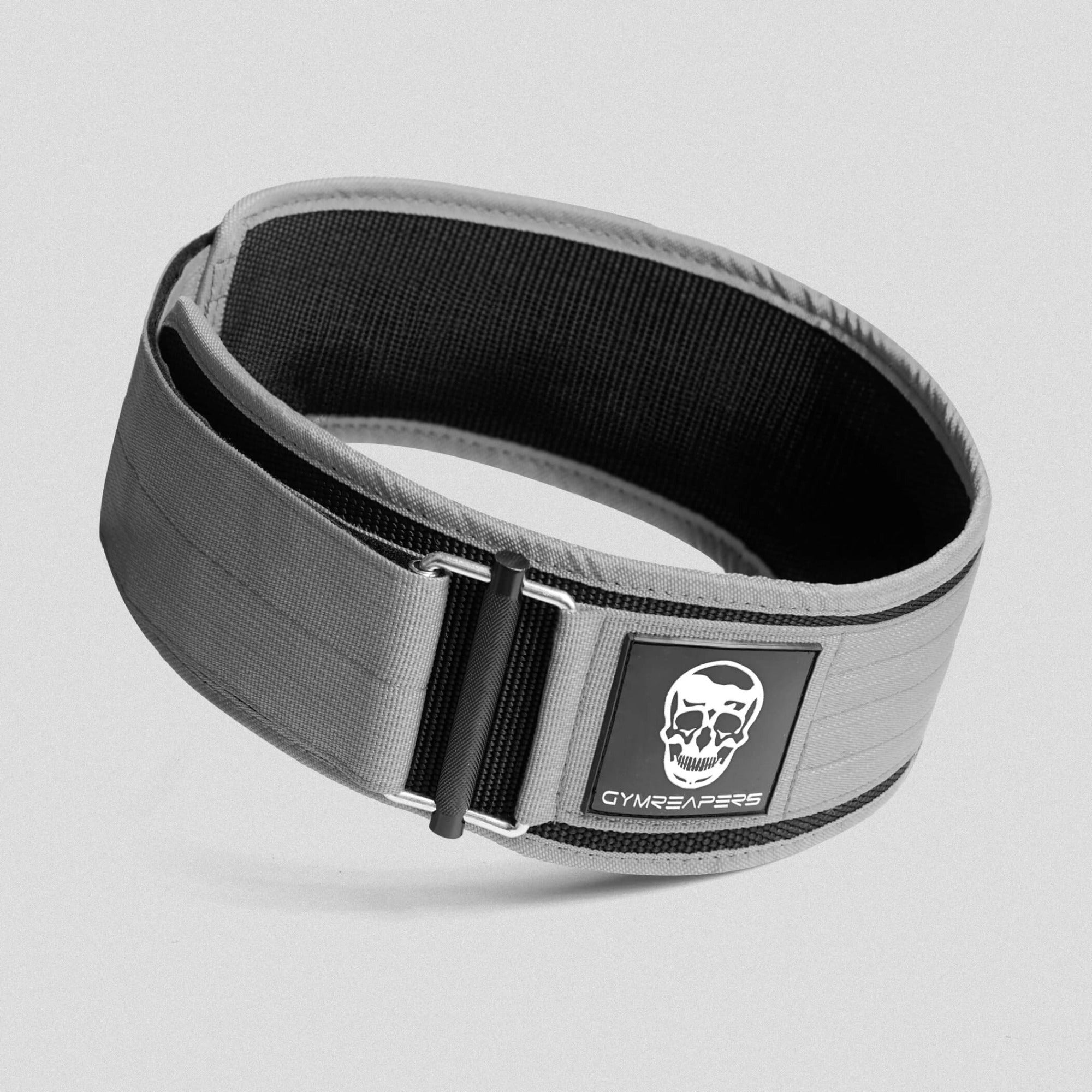
Quick Locking Weightlifting Belt | Premium...
LIFETIME WARRANTY
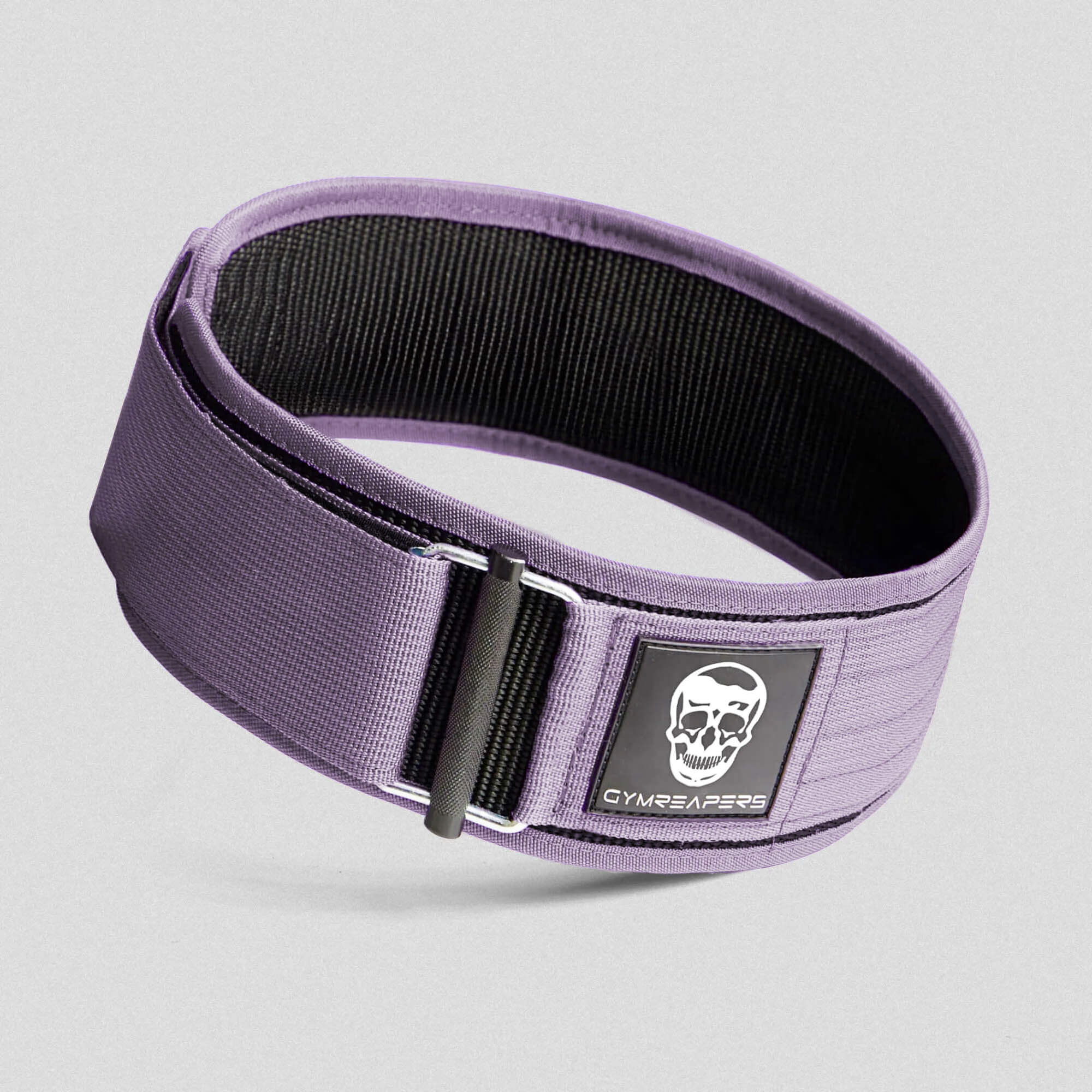
Quick Locking Weightlifting Belt | Premium...
LIFETIME WARRANTY
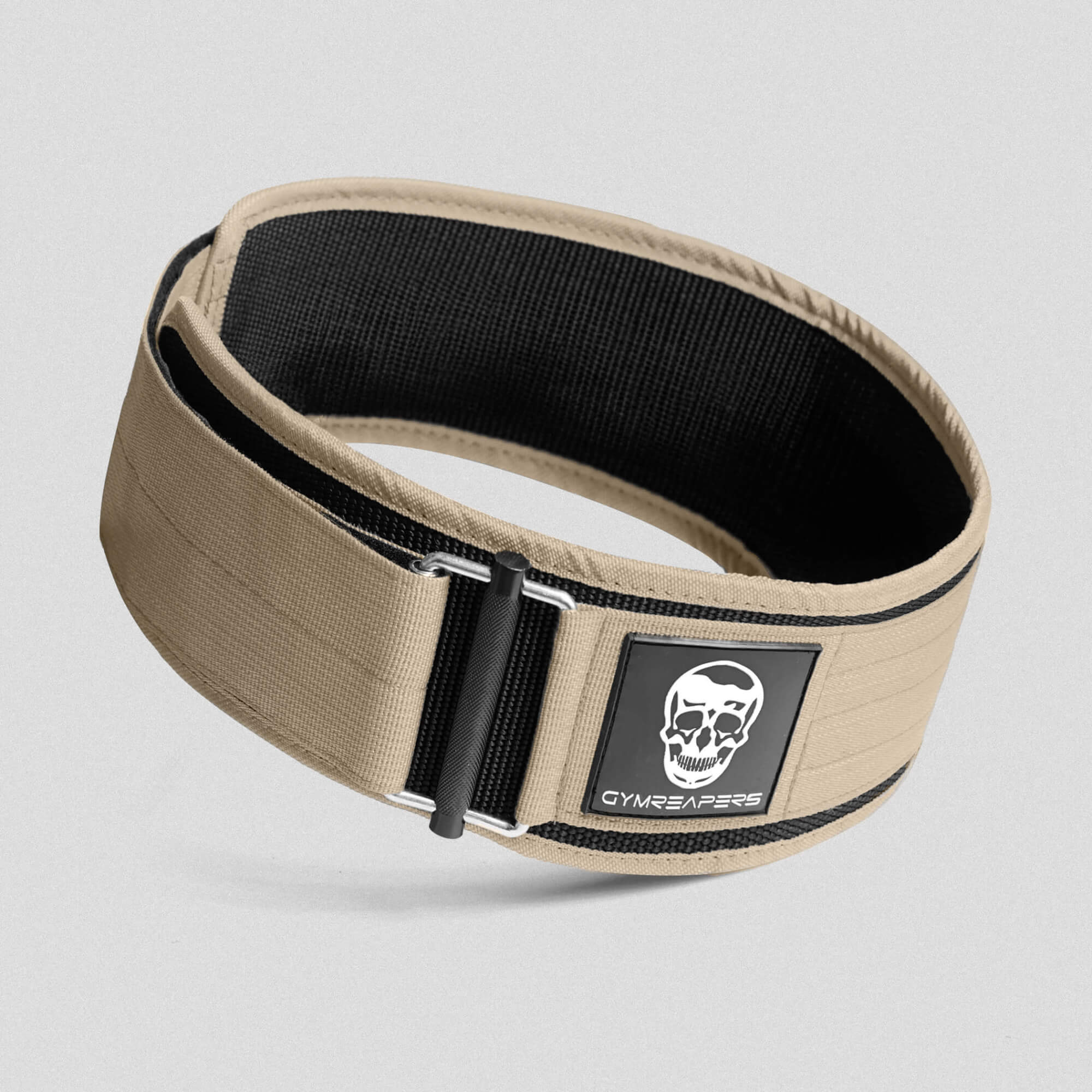
Quick Locking Weightlifting Belt | Premium...
LIFETIME WARRANTY
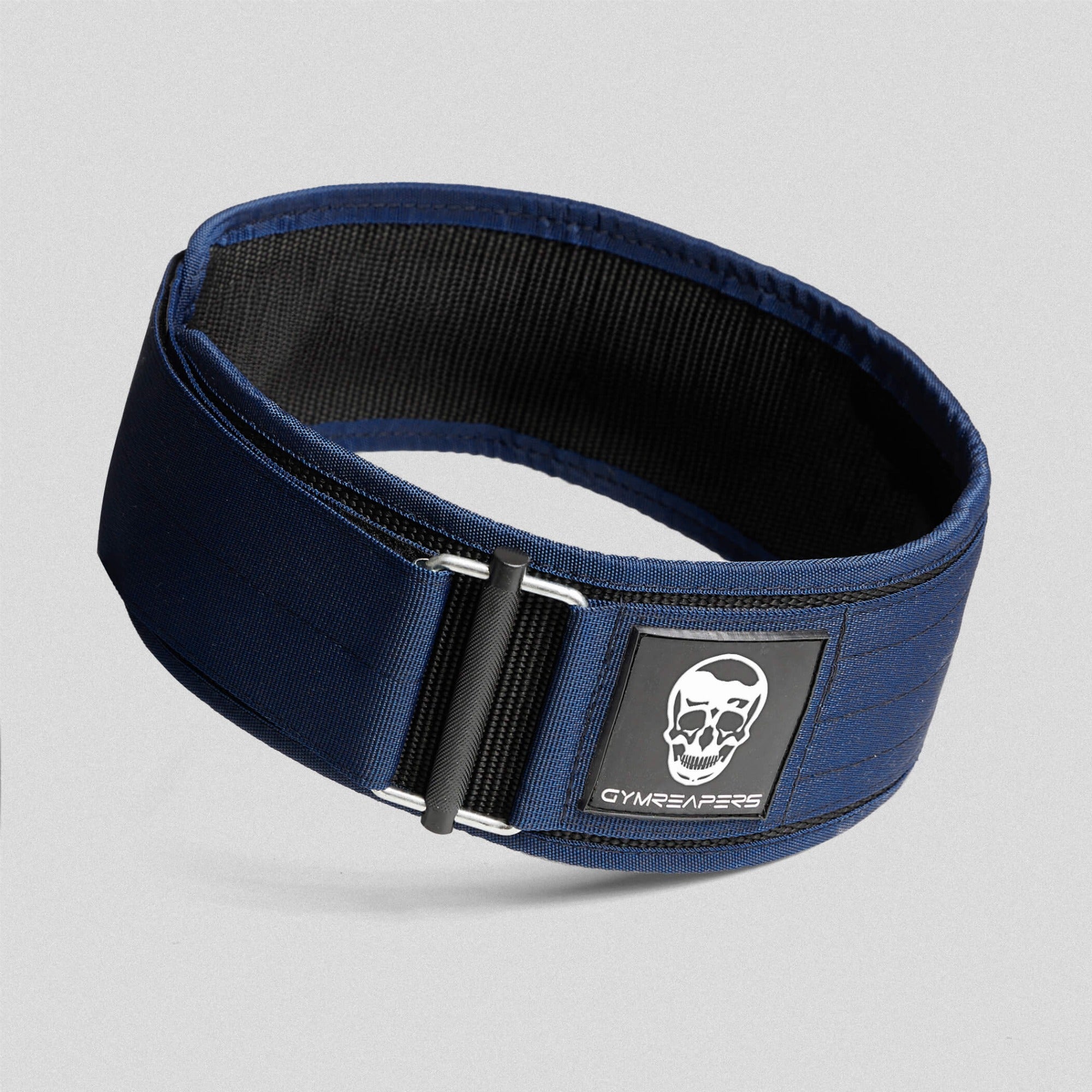
Quick Locking Weightlifting Belt | Premium...
LIFETIME WARRANTY
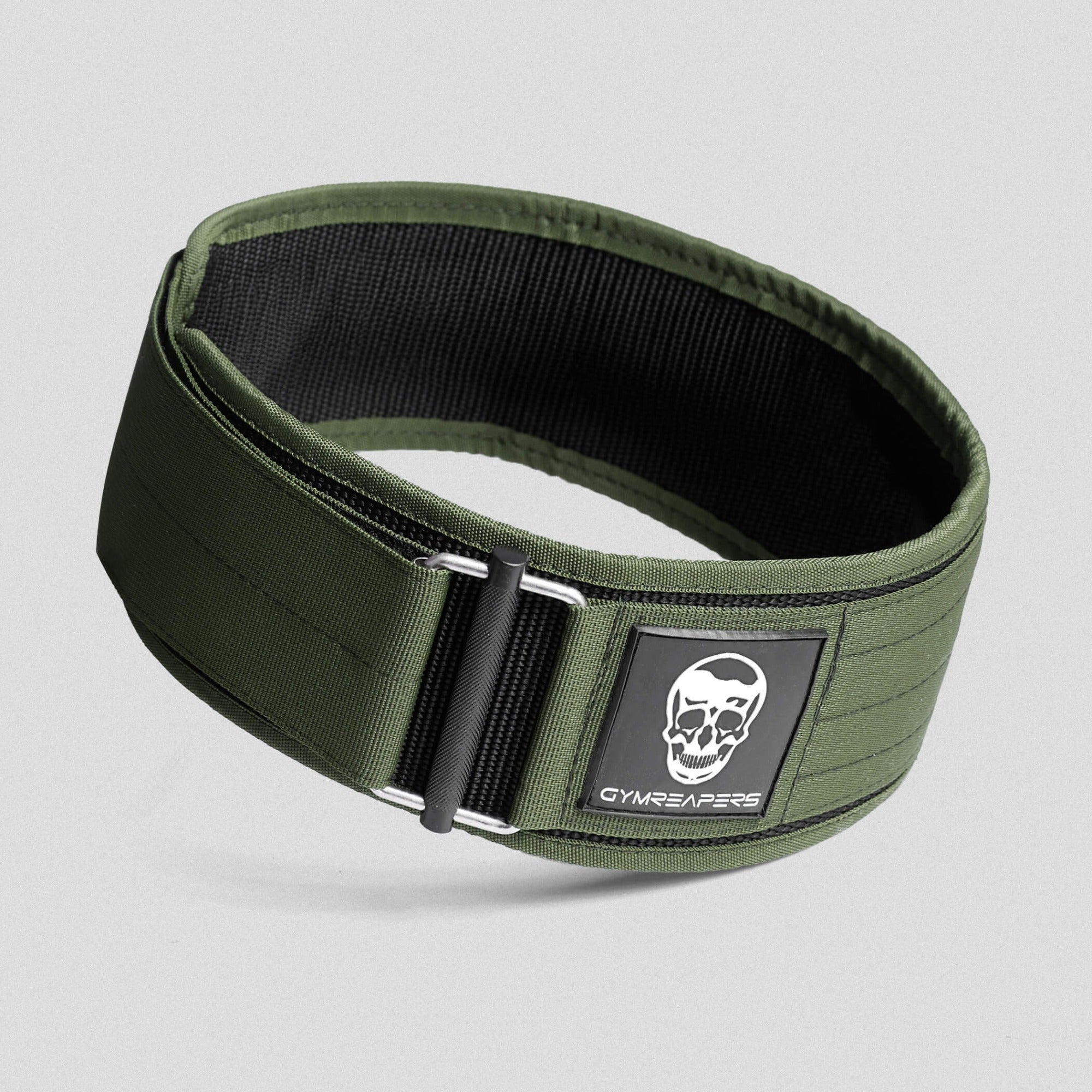
Quick Locking Weightlifting Belt | Premium...
LIFETIME WARRANTY
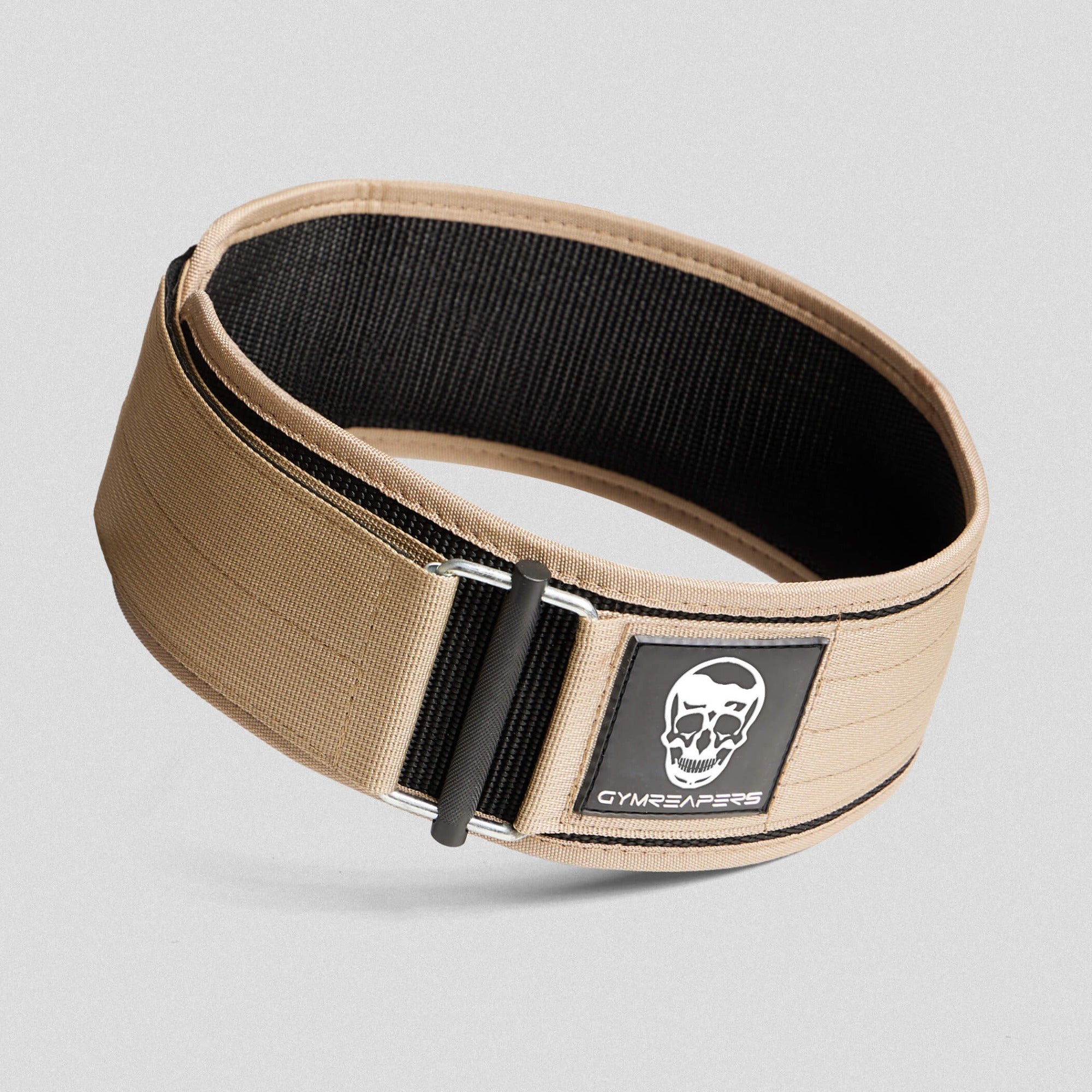
Quick Locking Weightlifting Belt | Premium...
LIFETIME WARRANTY
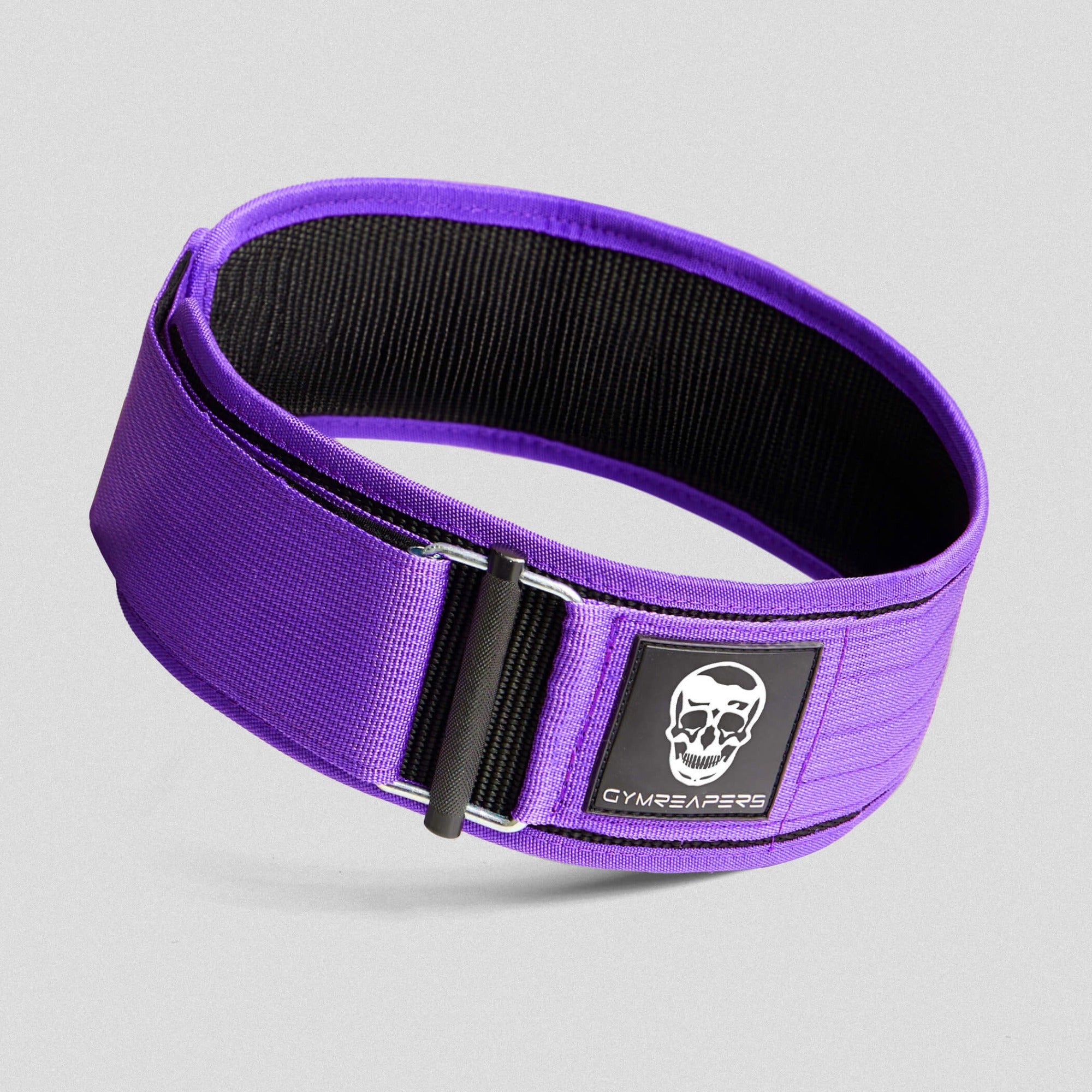
Gymreapers Quick Locking Weightlifting Bel...
LIFETIME WARRANTY
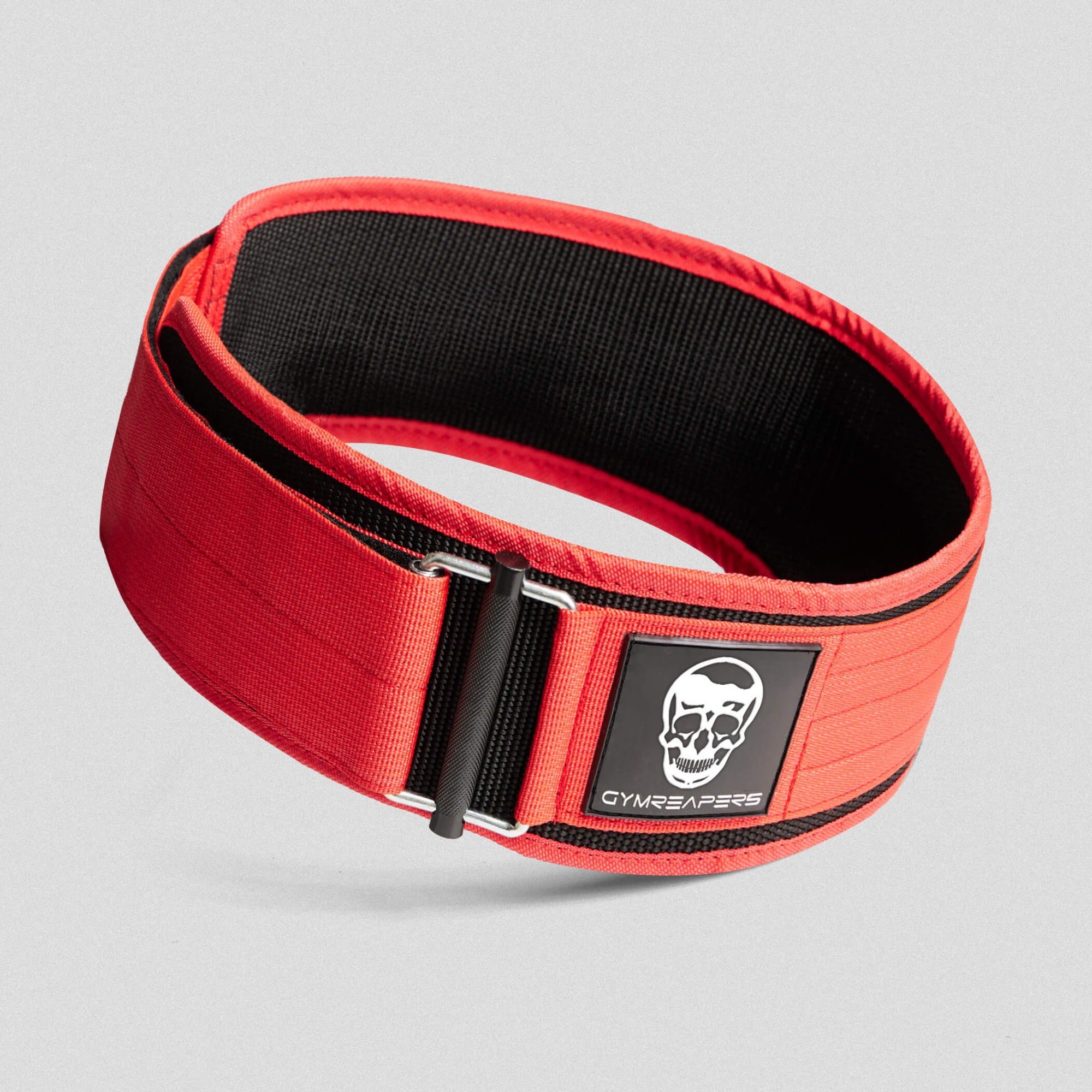
Quick Locking Weightlifting Belt | Premium...
LIFETIME WARRANTY
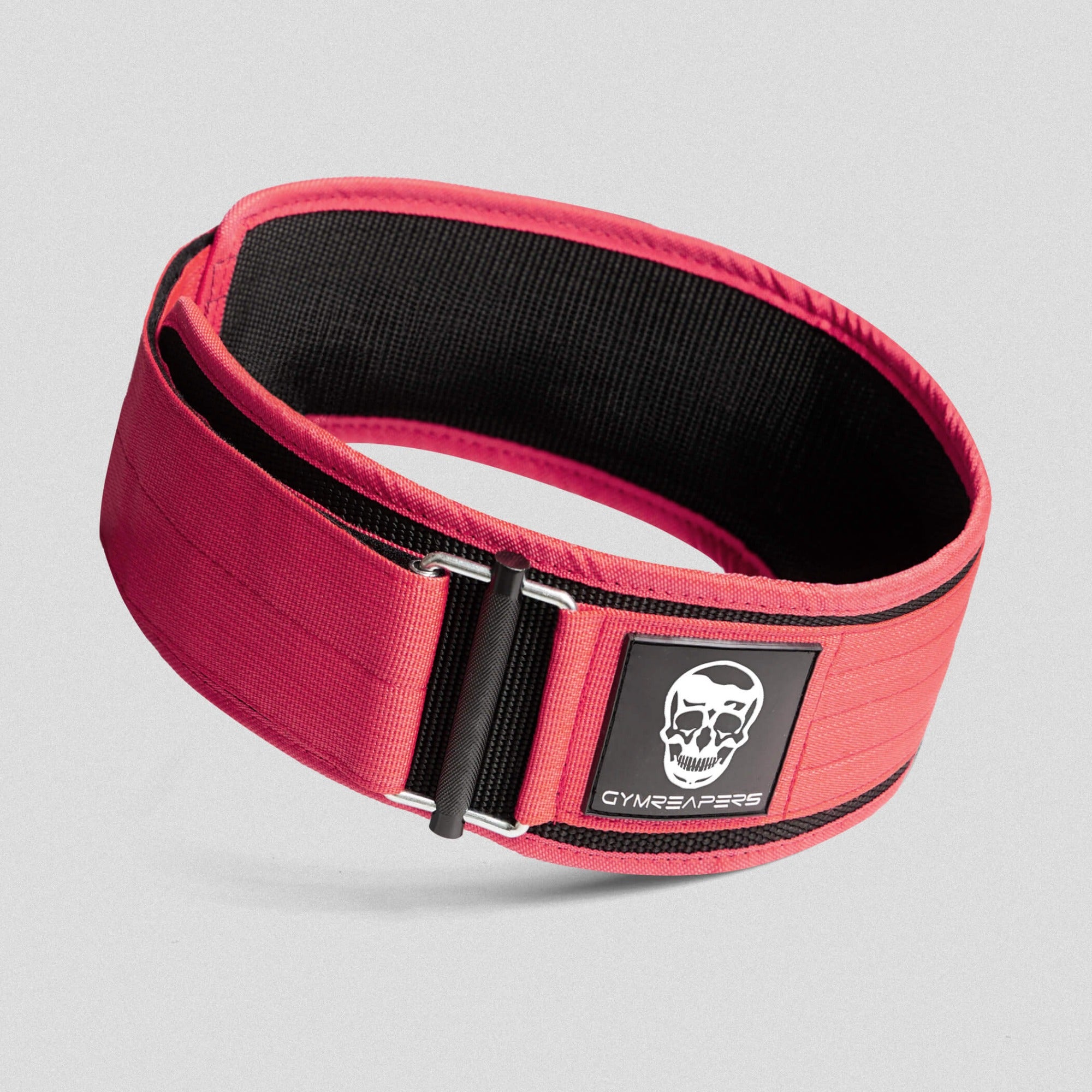
Gymreapers Quick Locking Weightlifting Bel...
LIMITED EDITION
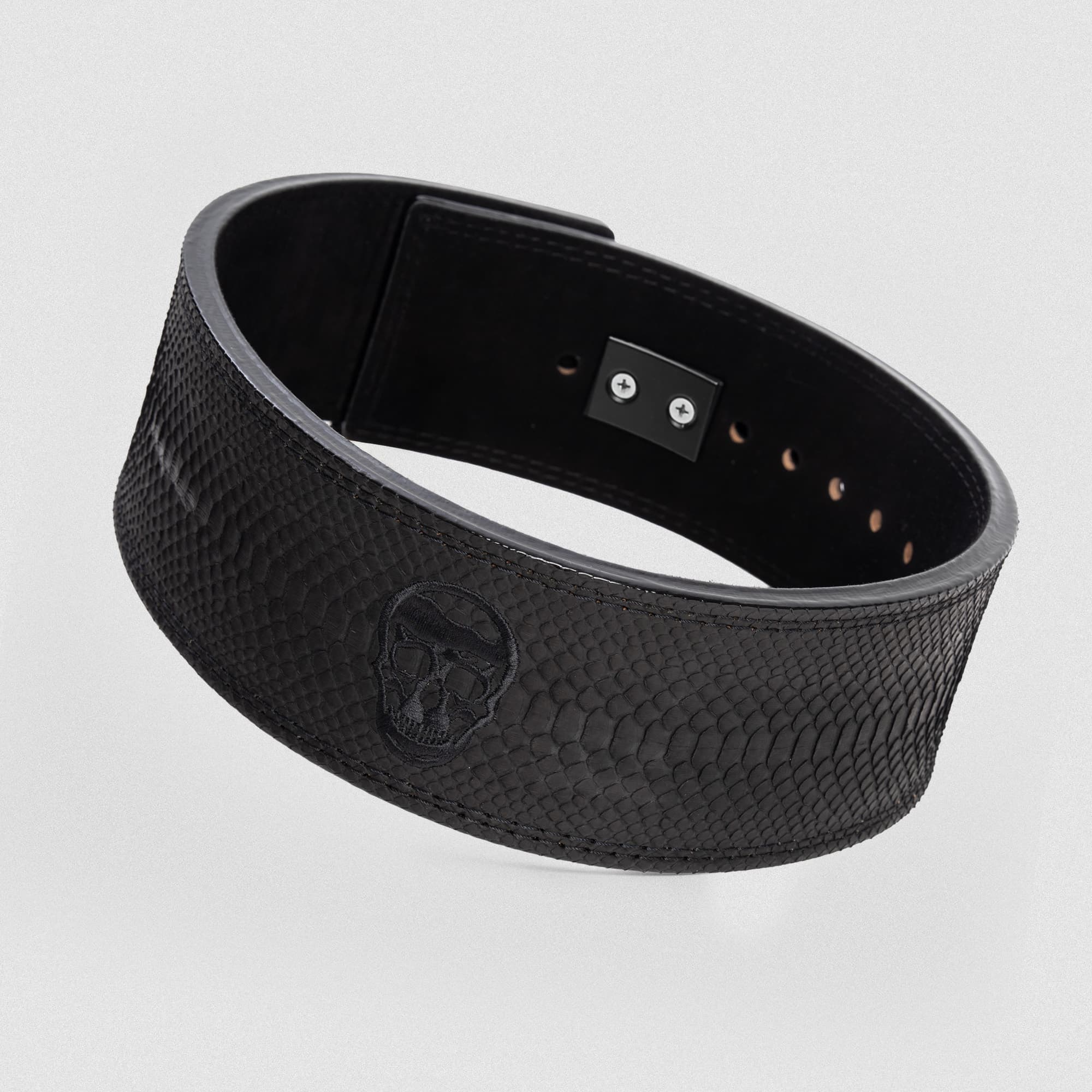
10MM Lever Belt - Onyx Python
LIMITED EDITION

10MM Lever Belt - White Python
LIFETIME WARRANTY
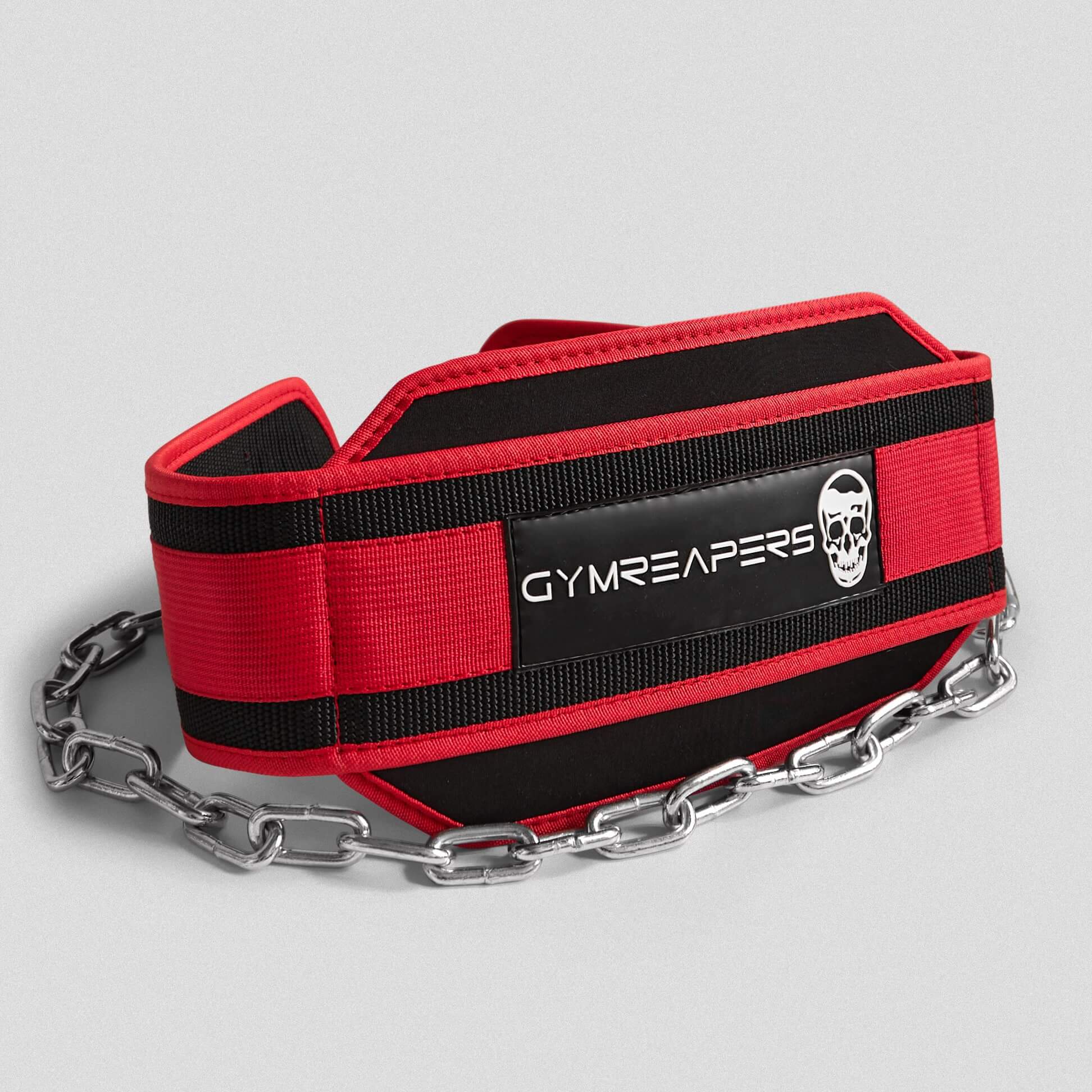
Gymreapers Dip Belt - Red
Gymreapers Lifting Belts
Gymreapers belts are built for lifters of any level who are looking for premium support, durability, longevity, and performance. It doesn’t matter if you’re a weekend warrior or you’re looking to set PRs—our belts are designed to provide the stability you need to train harder and safer. Explore our full range of gym belts below to find the right fit for your style of training.
What are the Different Types of Weight Lifting Belts?
Gymreapers carries six different base styles of weightlifting belts, and each style of belt comes in a wide variety of colors and materials.
Gymreapers Belt Comparison Chart
| Belt Type | Support | Best For | On/Off Speed |
|---|---|---|---|
| Lever Belt | High (10mm) / MAX (13mm) | Powerlifting, heavy pulls, bodybuilding | Fast (snap lever) |
| Single Prong | High | Every day lifts, heavy lifting | Moderate (1 prong) |
| Double Prong | High | Every day lifts, heavy lifting | Moderate (2 prongs) |
| Quick Lock | Moderate | Cross-training, dynamic lifts | Fast (hook & loop, bar) |
| Helix Hybrid | High | Heavy cross-training, compound movements | Fast (hook & loop, bar) |
| Dip Belt | N/A (not for core support) | Weighted pull-ups and dips | Easy load/unload |
What’s the Best Gym Belt for…
Beginners?
The Single Prong Belt is the best choice for beginners. It offers reliable support, is more affordable than a lever belt, and helps new lifters build confidence under the bar.
Powerlifting?
The Lever Belt is the top pick for powerlifting. A 10mm lever belt provides versatile support, while the 13mm version delivers maximum rigidity for competition lifts.
Strength Training?
The Double Prong Belt is ideal for general strength training. It gives a locked-in feel with durable leather construction, making it great for consistent heavy lifting.
Cross Training?
The Quick-Locking Nylon Belt is best for cross-training. Its flexible material and fast hook-and-loop closure make it perfect for dynamic, explosive movements. Choose the Helix belt if you plan to lift heavy or are looking for a more supportive nylon gym belt.
Augmented Bodyweight?
The Dip Belt is best for weighted pull-ups, dips, and belt squats. Its heavy-duty chain and carabiner let you safely add plates or kettlebells to bodyweight exercises.
FAQs – Lifting Belts
When Should You Use a Lifting Belt?
Why do weightlifting belts cost so much?
Materials, build quality, and hardware drive price. Look for top-grain leather, reinforced stitching, and solid buckles so you’re not just paying for a logo.
Why are Gymreapers belts so popular?
We use premium-grade leather, heavy-duty stitching, and durable hardware. Then, we back them up with a lifetime warranty.
What is the difference between a prong belt and a lever belt?
The main difference is how quickly you can get each belt on and off. A prong belt takes longer than a lever belt does, but they both offer similar levels of support based on thickness.
Is it ok for a beginner to use a lifting belt?
Yes, especially for compound lifts where bracing matters. Learn proper technique first; a belt amplifies good form, it doesn’t replace it.
How do I know what size Gymreapers belt I need?
Our belt sizes are not universal. Please view the sizing chart for our belts before you make a purchase, and remember to measure around your navel, not your hips.
Is lifting with a gym belt safer than lifting without one?
There’s no guarantee that a weightlifting belt will prevent injury. The best way to lift safely is to use proper lifting techniques and practice good form.
Choosing the Right Lifting Belt
No matter your training style or experience level, we guarantee we’ve got a belt built to help you push it even further. If you’re looking to learn more about each kind of belt, or if you’re ready to make the most of your lifts, get started by browsing our collections with the links below.
Shop Lever Belts – Maximum bracing for heavy lifts
Shop Single Prong Belts – Classic feel, everyday heavy training
Shop Double Prong Belts – Locked in leather support
Shop Quick Locking Belts – Flexible support for dynamic workouts
Shop Dip Belts – Use for weighted pull-ups and dips